Why Emotional Intimacy Creates Better Sex

Let’s say the quiet part out loud: you can have a partner with perfect hands, a talented mouth, and a bag of tricks… and still feel nothing. Or worse—feel used. Because emotional connection during sex is the difference between “we did it” and “we melted into each other and I’m still shaking.”
Emotional intimacy isn’t the boring, candlelit version of love. It’s the dark, electric safety that lets you go feral without flinching. It’s what makes your body stop bracing and start receiving. It’s what turns sex from performance into mutual possession—consensual, honest, and hot as hell.
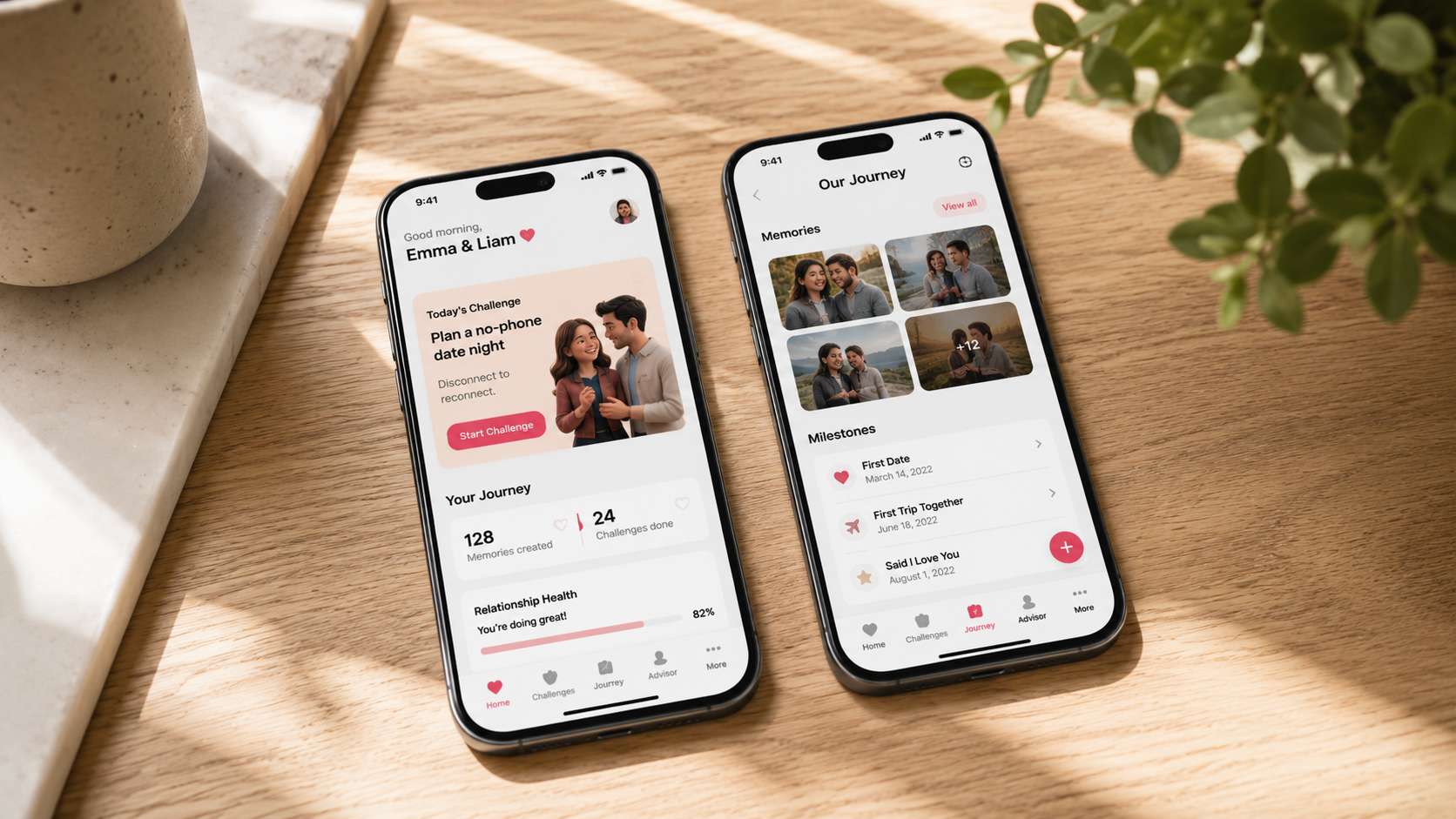
If you want a simple way to build that kind of intimacy without turning your nights into therapy homework, use PairPlay: Couple Relationship App. It turns the conversations you avoid into a sexy, playful game—questions, dares, and connection prompts that actually change what happens in bed.
1) Emotional intimacy is the “off switch” for anxiety—and the “on switch” for arousal

Most couples try to fix bad sex by adding more: more positions, more toys, more porn, more “spice.” But if your nervous system doesn’t feel safe, your body won’t open. It’s not you being “difficult.” It’s biology.
Stress, resentment, and insecurity crank up your body’s threat response. When you’re tense, your brain is scanning for danger—not pleasure. Emotional intimacy lowers the threat response so your body can shift into arousal, sensation, and orgasm.
This is why understanding your desire system matters. If you want the science-y framework, read The Dual Control Model of Sexual Desire: What Actually Turns You On (and Off). When your “brakes” are slammed (stress, distrust, fear of judgment), it doesn’t matter how hard you hit the “gas.” Emotional intimacy eases the brakes.
Micro-safety: the tiny moments that make you wetter/harder later
-
Being believed: When you say “I don’t like that,” and they don’t pout, punish, or push.
-
Being chosen: Affection that isn’t a transaction (“I kissed you, now you owe me sex”).
-
Being seen: Your partner notices your mood, your stress, your body language—without making it about them.
That’s the kind of safety that makes you think: I can let go tonight.
2) Better sex is built on trust, not “skills”

Technique matters, sure. But technique without emotional intimacy feels like being handled instead of held. When trust is high, you’ll try things you’d never dare ask for. You’ll moan louder. You’ll guide them with your hands. You’ll admit what you fantasize about when you’re alone.
Trust is also what makes repair possible. If something awkward happens (it will), you don’t spiral into shame. You laugh, adjust, and keep going.
If you want to connect the emotional and physical sides in a way that’s practical, bookmark How to Build Emotional and Sexual Connection Together: The Raw, Unfiltered Guide. It’s the bridge between “we love each other” and “we can’t keep our hands off each other.”
3) Emotional intimacy unlocks honest feedback (the hottest cheat code)
Here’s what most couples avoid: sexual truth. Not because they don’t want better sex—because they don’t want to hurt each other. So they fake orgasms, tolerate boring routines, and hope their partner “gets it” without being told.
But honest feedback is foreplay when it’s rooted in care. It’s not critique. It’s collaboration.
How to talk about sex without killing the mood
-
Start with desire, not complaint: “I want more of your mouth on me” lands better than “You never…”
-
Be specific: “Slower, keep pressure right there” beats vague hints.
-
Use aftercare debriefs: Talk after sex about what you loved, what you want next time.
-
Make it mutual: Ask, “What would feel even better for you?” and mean it.
Want a tool that makes these conversations feel like teasing instead of confrontation? PairPlay: Couple Relationship App gives you prompts that slide you into honesty—without the heavy awkward “we need to talk” energy.
4) Emotional intimacy makes “vanilla” sex feel filthy in the best way

People think they need novelty to feel turned on. Sometimes you do. But often what you really need is presence.
When emotional intimacy is strong, simple sex becomes intense because it’s loaded with meaning: eye contact that doesn’t flinch, hands that feel like home, a kiss that says “I’ve got you.” That’s how “basic” becomes dangerously intimate.
And yes, new moves can help—especially when you’re learning each other. But positions are not the point; they’re the container. If you want options that don’t feel like a porn audition, use Beginner-Friendly Sex Positions for Couples: The Raw Guide to Starting Strong—then layer emotional intimacy on top so it actually hits.
5) The best orgasms come from surrender—and surrender requires safety
Orgasm isn’t just friction. It’s permission. It’s your body deciding, I can let go.
Emotional intimacy creates the conditions for surrender:
-
Less self-consciousness: You stop monitoring your stomach, your face, your sounds.
-
More attunement: You feel your partner with you, not just on you.
-
More erotic risk: You ask for what you want, even if it’s “messy” or intense.
This isn’t just romantic fluff; it’s backed by research. For a solid overview of how attachment and emotional bonds shape adult intimacy and sexual dynamics, see attachment styles and adult relationships. When you feel securely attached, your body isn’t busy protecting you from closeness—it can actually enjoy it.
6) Emotional intimacy fixes the real libido killers: resentment, disconnection, and silence

If sex has gotten weird, distant, or transactional, ask yourself what’s happening outside the bedroom. Emotional intimacy is the antidote to the stuff that quietly murders desire:
-
Resentment: Unspoken anger turns touch into obligation.
-
Emotional loneliness: Living together but not actually being known.
-
Fear of rejection: You stop initiating because you can’t handle another “not tonight.”
-
Invisible labor imbalance: One partner is exhausted and touched-out, the other feels starved.
Emotional intimacy doesn’t mean you never fight. It means you repair. You come back. You stay curious instead of contemptuous.
For a clear, research-grounded breakdown of what predicts relationship stability (and what corrodes it), explore the Four Horsemen and their antidotes. It’s not “sex advice” on the surface, but it’s absolutely sex advice underneath—because contempt and defensiveness don’t exactly make people horny.
7) How to build emotional intimacy that actually translates to better sex (a blunt plan)
You don’t need a perfect relationship. You need repeatable rituals that build trust and desire. Here’s a plan you can start this week.
-
Do a 10-minute nightly check-in: “What’s one thing you’re carrying today?” and “What do you need from me tonight?”
-
Have one sexy, low-stakes truth per week: “I loved when you…” or “Next time, can we try…”
-
Schedule intimacy on purpose: Not because you’re boring—because you’re busy. Protect your erotic life.
-
Make consent talk normal: “Do you want slow or rough?” can be both respectful and insanely hot.
If you’re stuck on what to say, steal better questions. Use Couple Conversation Starters That Aren't Boring: Raw Questions That Actually Matter to get past small talk and into the good stuff—desires, fears, fantasies, boundaries.
And if you’re at a bigger relationship threshold—moving in, merging lives, getting more serious—don’t pretend those talks won’t affect sex. They do. Use 25 Questions to Ask Before Moving in Together: The Real Conversations That Matter to clear the landmines before they show up in your bedroom as “mysterious” low desire.
Want all of this in one place, guided, playful, and actually doable? PairPlay: Couple Relationship App turns connection into a nightly ritual—questions, games, and intimacy prompts designed for couples who want love and heat. Not one or the other.
For evidence-based sexual communication tips you can apply immediately, check out how to talk to your partner about sex. Then bring that energy into your own private world—where honesty becomes foreplay.
If you want a deeper dive into how closeness supports sexual wellbeing across a relationship, see sex and relationships from the NHS. It’s not spicy, but it’s grounded—and sometimes grounded is exactly what lets you get wilder together.
Conclusion: Emotional intimacy isn’t “extra”—it’s the whole damn engine
If you want sex that feels alive, you don’t start with a new position. You start with the space between you: trust, safety, honesty, and repair. That’s what creates emotional connection during sex—and that’s what makes your body stop performing and start responding.
-
Safety lowers anxiety so arousal can rise.
-
Trust creates permission for honesty, feedback, and erotic risk.
-
Presence makes “simple” sex feel intense because you’re not alone in your head.
-
Repair keeps desire alive by preventing resentment from rotting the connection.
And if you want an easy, sexy way to practice this without overthinking it, use PairPlay: Couple Relationship App. It’s the companion tool for couples who want deeper intimacy and hotter nights—built from the same truth: connection is the kink that never gets old.
Keep the conversation going.
Download PairPlay for thousands more questions and games.
Related reading
- The Dual Control Model of Sexual Desire: What Actually Turns You On (and Off)
- How to Build Emotional and Sexual Connection Together: The Raw, Unfiltered Guide
- Beginner-Friendly Sex Positions for Couples: The Raw Guide to Starting Strong
- Couple Conversation Starters That Aren't Boring: Raw Questions That Actually Matter
- 25 Questions to Ask Before Moving in Together: The Real Conversations That Matter
Frequently Asked Questions
Can emotional intimacy really improve physical pleasure?
Yes. Emotional safety lowers stress and self-consciousness, increases presence in your body, and makes it easier to build arousal and orgasm.
What if we love each other but sex still feels disconnected?
Love isn’t the same as attunement. Disconnection usually comes from unspoken needs, fear of feedback, resentment, or feeling unseen—start with small, honest check-ins.
How do I ask for what I want without hurting my partner’s feelings?
Lead with desire and appreciation, then be specific and collaborative: what you want more of, how you want it, and what felt good already.
What if my partner shuts down during emotional conversations?
Keep it short and non-accusatory, ask one clear question at a time, and consider structured prompts (like PairPlay) to reduce pressure and awkwardness.
Does scheduling intimacy kill spontaneity?
No. Scheduling often increases anticipation and readiness. It protects your connection in busy seasons and can still include playful spontaneity.
Written by PairPlay Editors
The PairPlay editorial team brings you the best research, tips, and stories to help craft deeper, stronger, and more exciting relationships.
Explore more topics
Keep building topical authority with deep dives by theme.
Keep The Spark Alive Daily
Install PairPlay and turn tonight into your best date night yet.
Get instant access to couple games, spicy prompts, and quick connection rituals built for real life. Open the app, pick a challenge, and reconnect in minutes.