When Your Friends Dislike Your Partner: The Hard Truth

You've been there. That gut-wrenching moment when your best friend pulls you aside at a party, lowers their voice, and says something like, "Are you sure about this one?" Or worse—they say nothing at all, but you feel the cold shoulder every time your partner walks into the room.
Friends disliking your partner is one of the most emotionally complicated situations in any relationship. It's not just about awkward dinner parties or tense group chats. It's about loyalty, identity, and the terrifying possibility that the people who know you best might see something you can't—or refuse to see.
Here's the raw truth: navigating disapproving friends isn't about picking sides. It's about understanding what's really going on, protecting your relationship without burning bridges, and deciding what kind of life you actually want to live.
The Uncomfortable Reality: When Your Circle Rejects Your Person
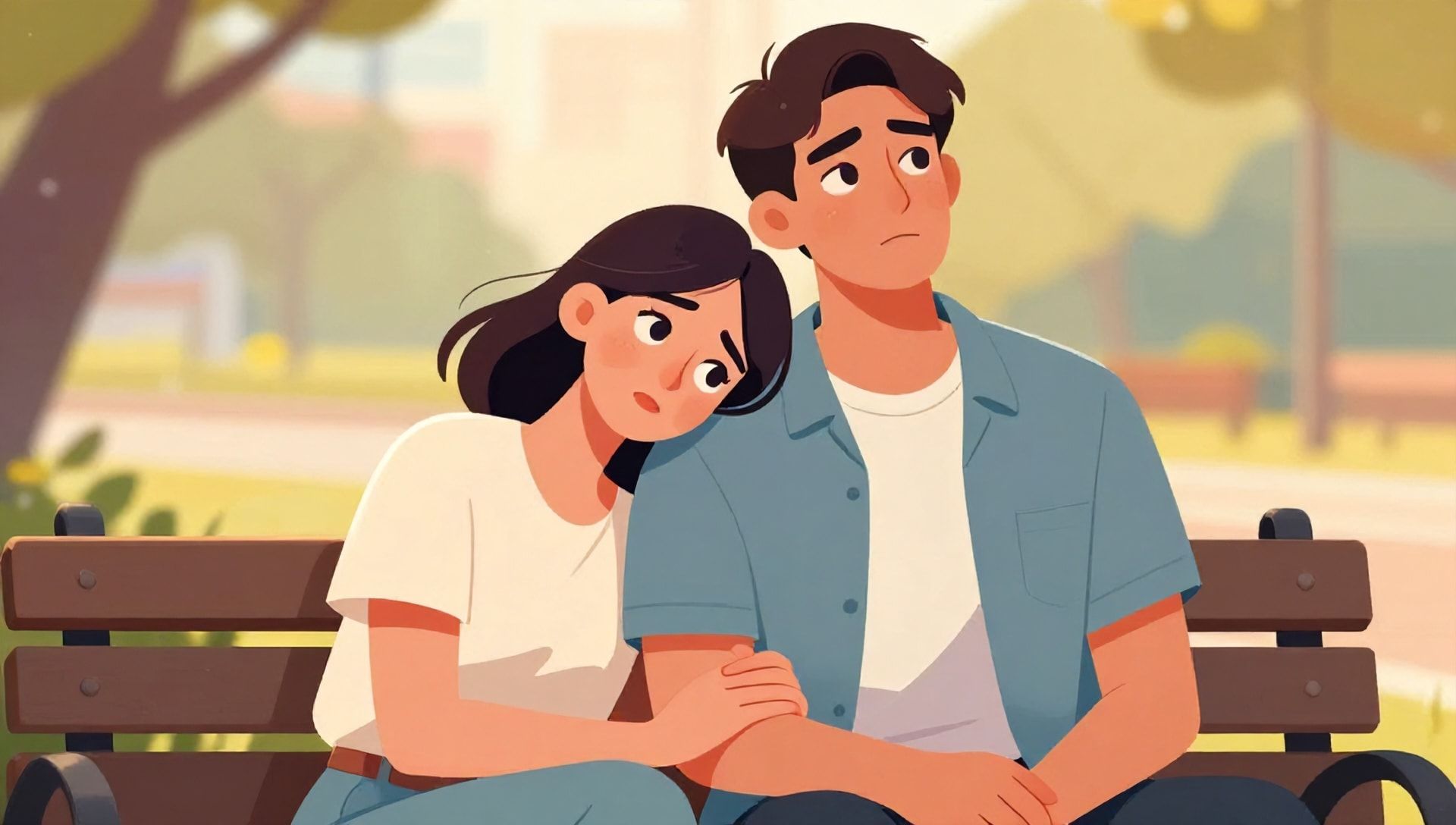
Let's be honest—few things feel as isolating as having your inner circle reject the person you've chosen to share your life (and your bedroom and your bank account) with. Your friends have seen you through breakups, bad dates, and 2 AM crying sessions. They think they know what you deserve.
And here's the thing—they might. But they also might be completely wrong.
The tension between friends and partners creates a psychological minefield. On one side, you have people who've known you for years, who love you unconditionally, and who genuinely believe they're looking out for your best interests. On the other, you have the person you've chosen—the one who makes you feel alive, seen, and desired in ways your friends simply can't understand.
This isn't a competition. But it sure as hell feels like one.
What happens when friends dislike your partner? Everything gets complicated. Holidays become battlegrounds. Group chats become awkward. And worst of all, you start questioning everything—not just your relationship, but your own judgment.
Why Your Friends Actually Hate Your Partner (The Real Reasons)
Before you blow up at your best friend or demand they apologize, understand what's actually driving their behavior. It's rarely about nothing.
They're Protecting the Version of You They Know
Your friends fell in love with a specific version of you—the single one, the wild one, the one who could go out for drinks on a Tuesday and make questionable decisions at 3 AM. Your partner represents the end of that era. Subconsciously, they're grieving a friend who no longer exists in the same way.
This isn't malicious. It's human. And it often comes from a place of genuine love—even if it's expressed terribly.
They See Red Flags You're Ignoring
Here's where it gets uncomfortable: sometimes friends dislike your partner because they genuinely see something harmful. Maybe your partner dismisses your opinions in conversation. Maybe they've noticed patterns of control that you've normalized. Maybe they've seen how your partner treats service workers or how they react when they're angry.
External perspectives matter. The people who love you outside the relationship often see dynamics you're too close to notice. This doesn't mean your friends are always right—but it means their concerns deserve genuine consideration, not dismissal.
Consider exploring relationship patterns through tools like PairPlay, which helps couples identify stress points and communication breakdowns before they become dealbreakers.
Jealousy Masquerading as Concern
Let's not be naive. Sometimes "I'm just worried about you" is really "I'm jealous that you found something I want" or "I miss having your full attention." This is especially true if your friends are single or in unhappy relationships themselves.
Not all disapproval is legitimate. Some of it is projection, insecurity, and plain old-fashioned jealousy dressed up as concern.
The Loyalty Trap: When Everyone Wants You to Choose
Here's the nightmare scenario: your friends have made it clear they don't respect your partner. Your partner feels unwelcome around your circle. Every social gathering becomes a diplomatic mission. You're caught in the middle, constantly managing everyone's feelings, and nobody is happy.
This is the loyalty trap—and it's designed to make you feel guilty no matter what you do.
The pressure to choose between friends and partner is intense. But here's the perspective shift that changes everything: you shouldn't have to choose. The people who love you should also love the person you love. That's the ideal, anyway. When that ideal breaks down, you need a strategy.
Start by having an honest conversation with your partner. How does the hostility make them feel? Are they holding back resentment? Is this affecting your intimacy and connection at home? The bedroom isn't separate from the rest of your life—the tension from social situations bleeds into every aspect of your relationship.
Signs Your Friends' Disapproval Is Toxic (Not Protective)

Not all friend disapproval is created equal. There's a massive difference between "I'm concerned because I noticed X behavior" and "I refuse to acknowledge your partner exists." Here's how to tell the difference:
- Specificity: Toxic disapproval is vague and absolute (
Trusted External Resources
<ul><li>[relationship dynamics between partners and friends](https://www.gottman.com/) - [patterns of control in relationships](https://www.loveisrespect.org/) - [setting boundaries with loved ones](https://www.psychologytoday.com/us) - [jealousy in friendships and relationships](https://www.psychologytoday.com/us/basics/jealousy)Keep the conversation going.
Download PairPlay for thousands more questions and games designed to strengthen your relationship through honest, meaningful dialogue.
Related reading
Frequently Asked Questions
Should I end a friendship because they dislike my partner?
Not immediately—but if a friend is consistently disrespectful and refuses to change despite clear boundaries, yes. Your romantic relationship deserves respect from the people in your life. A good friend will at least be civil, even if they're not enthusiastic.
What if my partner is the one creating problems with my friends?
This is a real issue that requires honest conversation. Your partner doesn't need to love your friends, but they need to treat them with basic respect. If they're actively hostile or refusing to engage, that's a pattern worth addressing—because it suggests how they handle conflict in general.
How do I handle group events when there's tension?
Minimize exposure initially, then create opportunities for neutral, low-pressure interaction. If tension persists, consider seeing friends separately from your partner for a while—not ideal long-term, but sometimes necessary short-term. The goal is finding a sustainable balance that doesn't exhaust you.
Why do all my friends dislike my partner?
If it's unanimous, pay attention. Multiple independent perspectives seeing similar issues is worth examining honestly. Ask specifically what they're seeing—and listen without defending. You don't have to agree, but you should understand.
Can my relationship survive if my friends hate my partner?
Yes—but it requires intentional effort. You need clear boundaries, honest communication with your partner, and a willingness to address the root causes of the tension. Some couples successfully maintain distance from unsupportive friends while thriving in their relationship.
Written by PairPlay Editors
The PairPlay editorial team brings you the best research, tips, and stories to help craft deeper, stronger, and more exciting relationships.
Explore more topics
Keep building topical authority with deep dives by theme.
Keep The Spark Alive Daily
Install PairPlay and turn tonight into your best date night yet.
Get instant access to couple games, spicy prompts, and quick connection rituals built for real life. Open the app, pick a challenge, and reconnect in minutes.