
7 Mistakes Couples Make When Merging Friend Groups

Let's be real: merging friend groups is one of the most underrated relationship stressors out there. Everyone talks about money, sex, and in-laws—but nobody warns you about the absolute minefield of navigating two separate social circles, each with their own drama, expectations, and that one friend who still has feelings for your partner.
Here's the thing nobody tells you: how you handle merging friend groups reveals everything about your relationship. It exposes power dynamics, communication failures, and whether you actually trust each other when things get uncomfortable. Get it wrong, and you're not just fighting about weekend plans—you're questioning the entire foundation of your partnership.
Why Merging Friend Groups Matters More Than You Think

Your social circle isn't just people you grab drinks with. It's your identity, your support system, and frankly, your escape hatch when relationship shit hits the fan. When you merge friend groups, you're not just combining calendars—you're combining histories, loyalties, and sometimes, secrets that could blow up your entire life.
According to research on social identity in relationships, couples who successfully navigate combined social circles report higher relationship satisfaction and better conflict resolution skills. But here's the kicker: most couples approach it completely wrong. They assume it will happen naturally, or worse, they avoid the conversation entirely until resentment builds into something ugly.
If you're serious about your relationship, you need to treat merging friend groups with the same intentionality you bring to financial planning or bedroom boundaries. And if you want a tool that makes these conversations easier? [PairPlay: Couple Relationship App](https://pairplaycouples.app) turns awkward discussions into engaging games that actually bring you closer.
Mistake #1: Ignoring the Jealousy Monster
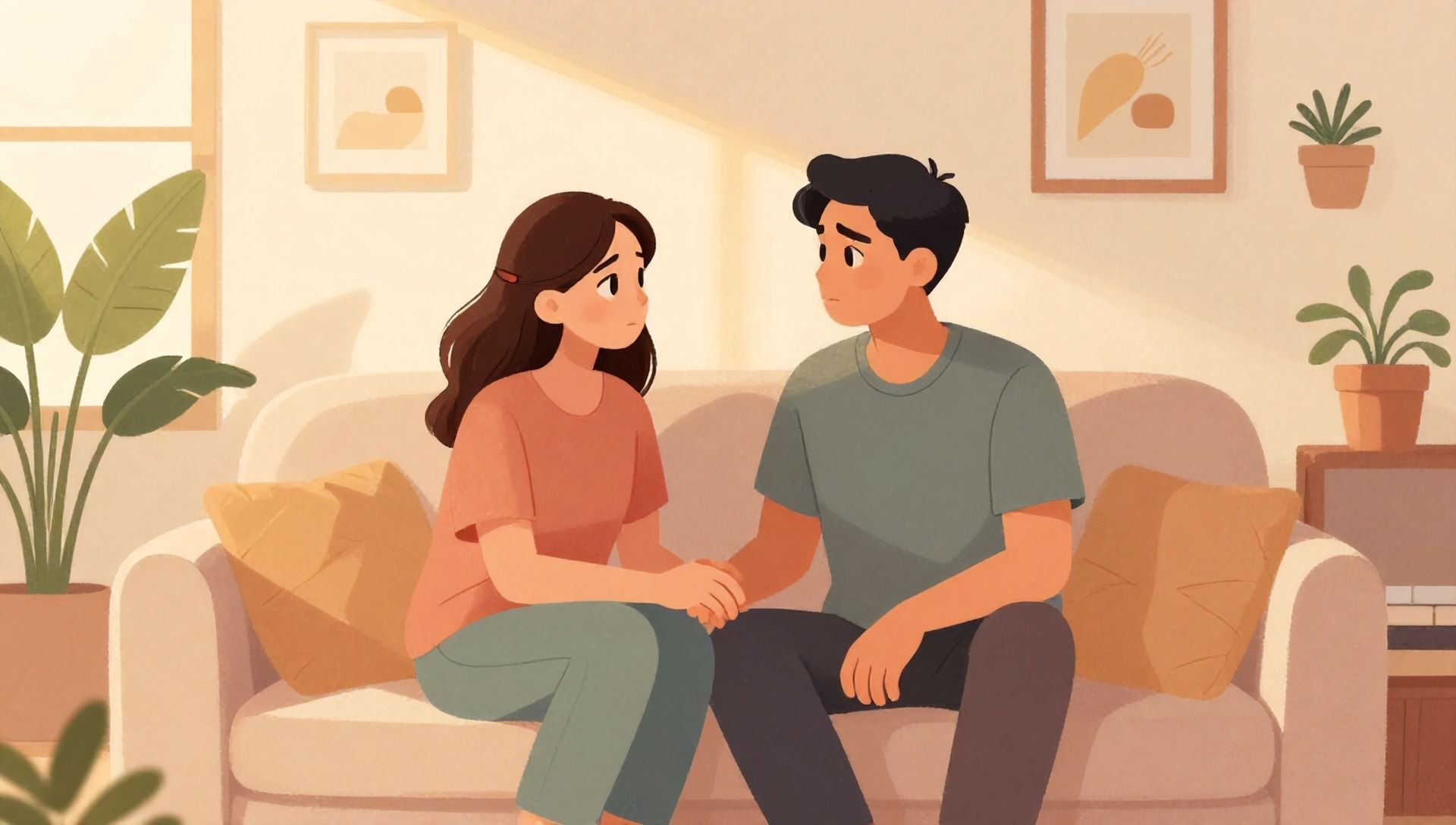
One of you is going to feel more threatened by the merge than the other. Maybe your partner's friends are louder, funnier, or seem to have a deeper connection with them. Maybe you're watching your partner laugh harder with their crew than they ever do with you, and it makes your stomach turn.
That's jealousy. And if you bury it, it will rot your relationship from the inside out.
The couples who survive friend group mergers are the ones who acknowledge the ugly feelings out loud. Not in an accusatory way—just honest admission that watching your partner belong somewhere that doesn't include you feels like shit.
<p>Try this: instead of pretending you're totally fine with everything, say something like, ## Trusted External Resources
- navigating jealousy in relationships
- setting boundaries with friends
- maintaining friendships while in a committed relationship
- how social media affects couple dynamics
Keep the conversation going.
Download PairPlay for thousands more questions and games that make navigating relationship challenges actually fun.
Related reading
Frequently Asked Questions
How long does merging friend groups typically take?
There's no timeline. Some couples blend seamlessly within months, while others take years—and that's okay. The goal isn't speed, it's intentionality. Rushing the process usually leads to resentment, boundary violations, and unnecessary conflict. Let the merge happen naturally while maintaining open communication.
What if our friend groups genuinely don't get along?
They might not. And that's not always a dealbreaker. Some couples maintain separate social circles successfully, meeting friends separately while still building shared experiences. The key is ensuring this arrangement doesn't create division or make one partner feel excluded from the other's life. If separate circles work for you, own it without guilt.
How do we handle friends who don't support our relationship?
This is a hard boundary situation. Friends who actively undermine your relationship—whether through disrespectful comments, inappropriate behavior, or trying to drive wedges between you—need to know their behavior isn't acceptable. Have your partner handle their own friends directly. If the behavior continues, those friendships may need to end.
Should we force our friends to like our partner?
You can't force chemistry or compatibility. However, you can expect basic respect. Your friends don't need to love your partner, but they do need to treat them with dignity. If your friends are openly hostile or dismissive, that's a reflection of your commitment to your relationship—and your partner deserves better.
What about friends who have feelings for one of us?
This situation requires immediate, direct action. The friend needs to be addressed—either they respect boundaries and drop the feelings, or the friendship cannot continue in its current form. Your partner needs to lead this conversation with their friend. Protecting your relationship must be the priority over preserving a friendship that's built on romantic tension.
Written by PairPlay Editors
The PairPlay editorial team brings you the best research, tips, and stories to help craft deeper, stronger, and more exciting relationships.
Explore more topics
Keep building topical authority with deep dives by theme.
Keep The Spark Alive Daily
Install PairPlay and turn tonight into your best date night yet.
Get instant access to couple games, spicy prompts, and quick connection rituals built for real life. Open the app, pick a challenge, and reconnect in minutes.