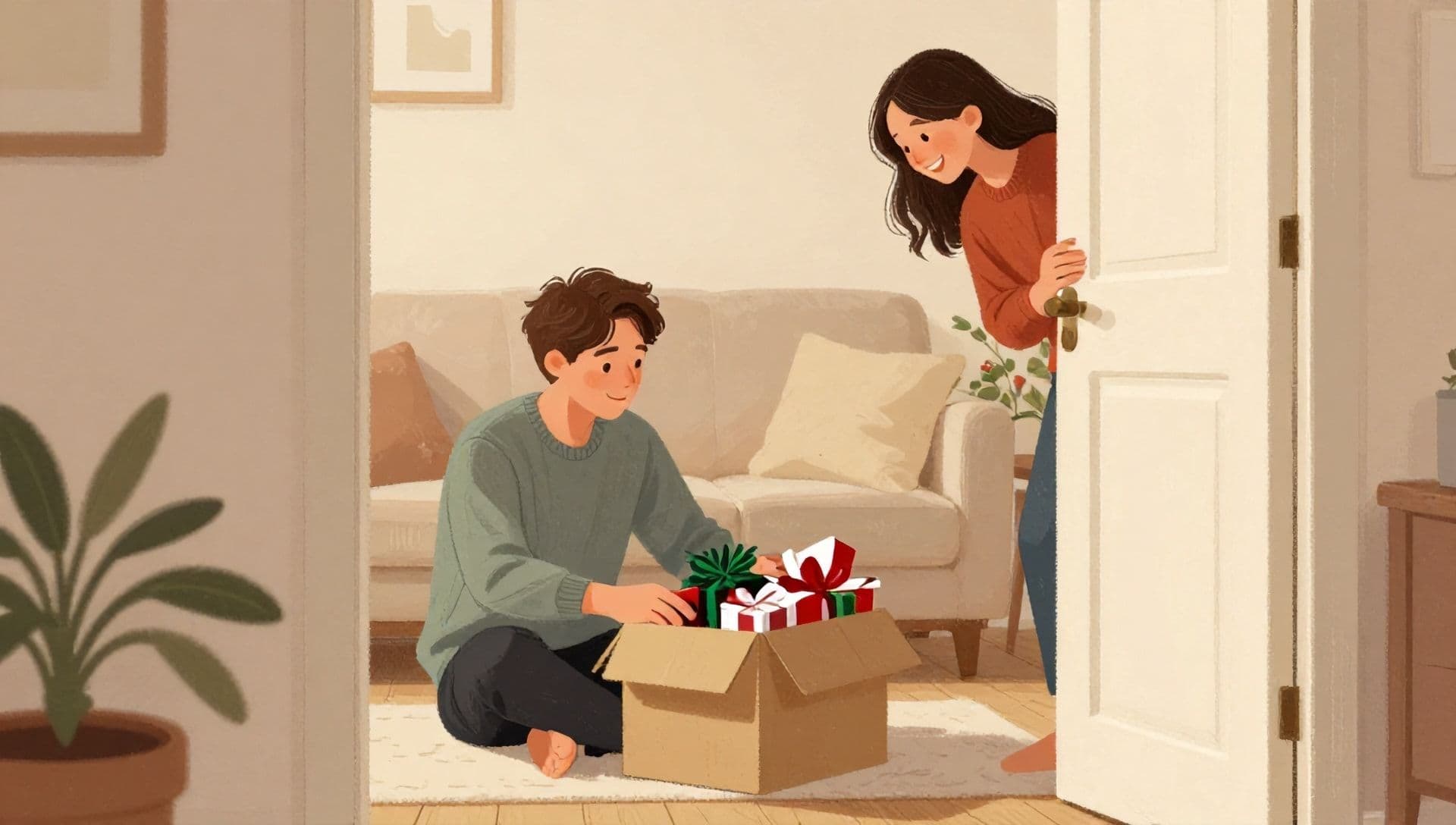
Why Do Couples Fight Over Holiday Family Plans? The Raw Truth

There's something about December that makes couples lose their goddamn minds. One minute you're scrolling through Instagram watching everyone post their perfect holiday moments, the next you're in a screaming match about whose family gets Christmas Day. Sound familiar?
The holidays are supposed to be a time of connection, warmth, and intimacy. Instead, they become a battlefield where decades of family expectations, unspoken resentments, and competing loyalties collide. And here's what nobody tells you: the way you fight (or don't fight) about holiday plans is a direct window into the health of your entire relationship.
So why does something as seemingly simple as "where are we spending December 25th" turn into a relationship crisis? Let's get into the raw, uncomfortable truth about what these fights are really about—and how to navigate them without losing your partner, your sanity, or your sex life.
The Holiday Fight Is Never Really About the Holiday

Here's a reality check: when you're mid-argument about visiting your partner's parents, you're not actually fighting about a calendar date. You're fighting about something much deeper.
These conflicts expose the fundamental questions that haunt every serious relationship: Do you prioritize me over your family? When push comes to shove, whose side are you on? Does my comfort matter as much as yours?
According to research from The Gottman Institute, conflicts about family often represent "bids for connection" that have gone unanswered. Your partner isn't just asking you to spend Christmas with their mother—they're asking if you truly see them, if their world matters to you, if you're all-in on this relationship. When you dismiss their family requests, you're not just rejecting a plan—you're rejecting them.
This is why these fights escalate so quickly. They tap into core attachment wounds, fears of abandonment, and deeply rooted beliefs about worthiness. One minute you're discussing travel logistics, the next you're in a full-blown emotional meltdown about whether your partner actually loves you.
If this dynamic feels familiar, you might be experiencing what experts call an "emotional disconnect" in your relationship. When partners stop making and responding to each other's bids for connection, small conflicts become explosive. The holiday planning session just happens to be the flashpoint.
When Family Becomes the Third Partner in Your Relationship
Here's a brutal truth that nobody likes to acknowledge: in many heterosexual relationships, the husband's family often takes precedence, and wives are expected to just deal with it. This dynamic creates massive resentment that builds up like pressure in a sealed container.
When you consistently prioritize your family's traditions, expectations, and comfort over your partner's needs, you're sending a clear message: my people matter more than you. And nothing kills intimacy faster than feeling like you're second place in your own relationship.
This is where the true compatibility of a relationship gets tested. Can you both advocate for each other? Can you set boundaries with family while still honoring those relationships? Can you be a united front?
The Family Loyalty Test Nobody Prepared You For
Every person carries invisible luggage from their family of origin. And the holidays? That's when that luggage gets thrown open and everything spills out.
Maybe your partner's family has expectations that feel impossible to meet. Perhaps there's a history of criticism, competition, or emotional enmeshment that makes family gatherings feel like walking through a minefield. Or maybe—and this is common—your partner has never fully emotionally separated from their family, creating a dynamic where you always feel like you're competing for their attention and loyalty.
Psychology Today highlights how family-of-origin issues frequently surface during holiday stress. These conflicts often reveal attachment patterns formed in childhood. If your partner learned that putting family first is the only way to earn love and approval, they'll unconsciously replicate that pattern—often at the expense of your relationship.
The question becomes: can you both acknowledge these patterns without blaming each other? Can you create new traditions that honor both partners' needs? Or will you keep replaying the same destructive scripts year after year?
Money, Power, and Whose Family Gets the Bill

Let's talk about something everyone avoids: money. Holiday travel, gifts, hosting responsibilities—they all cost money. And the way you handle these expenses reveals a lot about power dynamics in your relationship.
Who pays for flights? Who buys the gifts for both families? When one partner earns significantly more, these questions become even more charged. The financial resentment that builds around holiday spending can poison intimacy in ways that extend far beyond December.
Consider this scenario: You earn more, so you've been quietly covering more holiday expenses. But instead of feeling grateful, your partner feels inadequate and defensive. Meanwhile, you're feeling resentful about being the "bank" while also being expected to smile through family events you don't enjoy. Neither of you says any of this out loud—until suddenly you're screaming about something completely unrelated.
The holidays become a pressure cooker for all those unspoken financial dynamics that you've been avoiding all year. And the fight about whose family to visit is really a fight about whose needs matter, whose comfort is prioritized, and whether the relationship feels fair.
The Gift-Giving Trap
Gift-giving during the holidays is another minefield that exposes relationship dynamics. Who buys gifts for whom? How much do you spend? Does your partner's family expect extravagant presents while yours is more casual?
These negotiations reveal expectations about reciprocity, fairness, and emotional labor. Often, one partner ends up doing the mental work of coordinating gifts for both families while the other coasts along—creating resentment that manifests as fighting about everything except the actual gift situation.
When Old Wounds Meet New Traditions
Here's what nobody tells you about creating holiday traditions as a couple: you're not just planning parties and meals. You're negotiating whose childhood memories get honored, whose family culture gets prioritized, and what your "new family" actually looks like.
If you come from a family where holidays were chaotic, dysfunctional, or painful, the idea of recreating those dynamics—or having your partner's family replicate them—can trigger intense anxiety. Conversely, if your family holidays were idealized and warm, any deviation can feel like a personal attack.
The key question becomes: can you both acknowledge that your holiday expectations are shaped by your individual histories, and then create something new together? Or will you keep trying to recreate childhood fantasies that don't fit your actual lives?
This is where having tools like PairPlay: Couple Relationship App can be a game-changer. Instead of waiting until you're both exhausted and frustrated in December, you can have these conversations throughout the year—turning them into opportunities for connection rather than conflict.
The "Whose Family?" Conversation That Actually Works
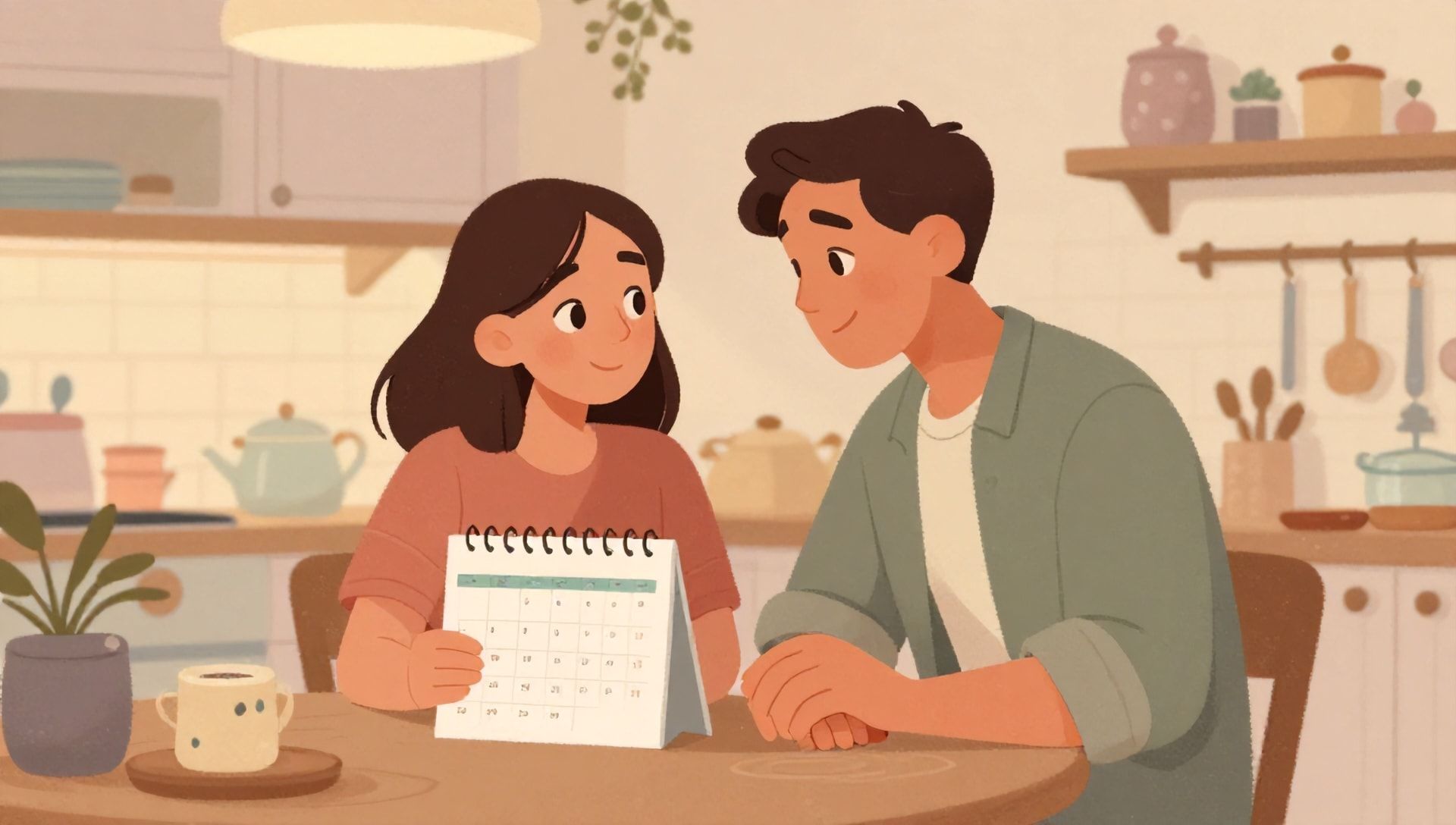
Most couples approach holiday planning as a negotiation: my family this year, yours next year. But this approach treats family visits as a zero-sum game where someone always loses. And that framing guarantees resentment.
Instead, try approaching it as a problem you're solving together. What would make both of you feel honored? What boundaries do you need to set with families? How can you create traditions that feel meaningful to your relationship—not just replicating what either family did historically?
Some couples alternate years. Others create new traditions entirely—spending holidays with friends, traveling, or staying home. Still others find creative solutions: having both families visit, splitting the day, or celebrating on different dates.
The goal isn't to find the "right" solution—it's to find a solution that makes both partners feel seen and valued. That requires honest conversation about what the holidays mean to each of you, what you're afraid of, and what you need to feel secure.
How to Fight Clean About Holiday Plans
Here's the uncomfortable truth: conflict itself isn't the problem. It's how you fight. Couples who can navigate disagreements respectfully often end up stronger because they've proven they can handle hard things together.
According to research on relationship communication, successful conflict resolution requires both partners to feel heard and understood. This means:
- Speaking from your experience, not accusing: "I feel invisible when my family isn't prioritized" works better than "You always prioritize your family over mine."
- Listening to understand, not to respond: Your partner's family history shaped their expectations. Understanding that doesn't mean accepting it—but it does help you see why this matters so much.
- Taking breaks when escalated: When you're both exhausted and upset, agree to pause and return to the conversation when you're calmer.
- Focusing on the underlying need: What is your partner really asking for? What are you really afraid of?
And here's a radical idea: what if you used holiday planning as an opportunity to deepen your connection? What if these conversations became a chance to understand each other better, to advocate for each other, to prove that you're a team?
Want more questions like this? PairPlay turns these challenging conversations into a fun game that brings you closer together. Download PairPlay: Couple Relationship App and discover thousands of questions and activities designed to strengthen your relationship.
Protecting Your Intimacy Through the Holiday Chaos

Let's be real: when you're fighting about family plans, the last thing on your mind is sex. And that's exactly the problem. The stress, resentment, and emotional distance that holiday conflicts create can devastate your intimate connection—sometimes for months after the decorations come down.
Research shows that emotional disconnection is one of the biggest threats to physical intimacy in relationships. When you don't feel emotionally close to your partner, when you feel dismissed or unimportant, when you're carrying resentment about holiday negotiations—your sex life suffers. It's that simple.
Protecting your intimacy means protecting your emotional connection throughout the stressful holiday season. This means:
- Prioritizing couple time even when family demands are high
- Checking in with each other about how you're really feeling
- Not letting family stress become an excuse for neglecting your relationship
- Making time for physical connection even when everything feels chaotic
The Fair Play method isn't just about dividing household tasks—it's about ensuring both partners feel supported and seen. Apply this thinking to holiday planning: whose mental load is carrying the planning, coordination, and emotional labor? If it's uneven, that's a recipe for resentment.
Conclusion: This Year, Fight Differently
The holidays don't have to be relationship kryptonite. Yes, family dynamics are complicated. Yes, expectations are high. Yes, money and time and logistics create real stress. But how you navigate these challenges is a choice.
This year, commit to understanding what your holiday conflicts are really about. Talk to your partner about your fears, your expectations, your family history. Listen to theirs without defensiveness. Create new traditions that honor both of your needs. And remember: the goal isn't to "win" the holiday planning argument—it's to build a relationship where both partners feel valued, heard, and loved.
The couples who thrive aren't the ones who never fight—they're the ones who fight well. They use conflict as an opportunity to understand each other better, to grow closer, to prove that they can handle hard things together.
Ready to transform how you and your partner communicate? PairPlay makes it easy. Download PairPlay: Couple Relationship App today and start building the relationship you actually want—one conversation, one game, one connection at a time.
Trusted External Resources
Keep the conversation going.
Download PairPlay for thousands more questions and games designed to strengthen your relationship.
Related reading
Frequently Asked Questions
Why do we fight so much about holiday plans?
Fights about holiday plans typically aren't really about logistics—they're about deeper issues like family loyalty, feeling valued, power dynamics, and attachment fears. The holiday season amplifies existing tensions in relationships, making conflicts feel more intense and personal.
How can we stop fighting about whose family to visit?
Shift from viewing it as a negotiation to viewing it as a problem you're solving together. Have honest conversations about what the holidays mean to each of you, what you're afraid of, and what you need to feel secure. Consider creative solutions like alternating years, creating new traditions, or having both families visit.
Does fighting about holidays predict relationship problems?
How couples fight about any significant issue—including holiday plans—can indicate overall relationship health. Couples who fight respectfully, listen to each other, and seek understanding tend to have stronger relationships. Couples who fight dirty, dismiss each other, or avoid conflict entirely may have deeper issues to address.
How do we set boundaries with family during the holidays?
Set boundaries by being clear and direct with family members about your plans, involving your partner in all communications with both families, and presenting a united front. Discuss boundaries together beforehand so you're on the same page.
Can holiday stress affect our sex life?
Absolutely. Emotional disconnection, stress, and resentment from holiday conflicts can significantly impact physical intimacy. Protecting your emotional connection throughout the holiday season is essential for maintaining both your relationship and your sex life.
When should we seek professional help for holiday conflicts?
If holiday conflicts consistently escalate into destructive arguments, if you notice patterns of resentment that last long after the holidays, or if these conflicts reveal deeper issues in your relationship, couples therapy can be incredibly valuable. A therapist can help you navigate family-of-origin issues and communication patterns that keep causing conflict.
Written by PairPlay Editors
The PairPlay editorial team brings you the best research, tips, and stories to help craft deeper, stronger, and more exciting relationships.
Explore more topics
Keep building topical authority with deep dives by theme.
Keep The Spark Alive Daily
Install PairPlay and turn tonight into your best date night yet.
Get instant access to couple games, spicy prompts, and quick connection rituals built for real life. Open the app, pick a challenge, and reconnect in minutes.