Emotional Closeness After Sex: The Real Guide

The Vulnerability After Sex Is Where Real Love Lives

You just had incredible sex. Your bodies are still warm, tangled, breathing hard. And then... what? Do you roll over? Check your phone? Fall asleep? Or do you stay present in one of the most vulnerable moments your relationship will ever experience?
Here's the raw truth: emotional closeness after physical intimacy isn't automatic. It's a choice. It's an art. And it's the difference between having good sex and having a genuinely connected relationship.
Most couples completely miss this. They treat the post-sex window like the credits rolling on a movie—time to move on, time to get back to life. But what if those moments after intimacy are actually where the deepest bonding happens? What if that's where you build the kind of emotional connection that makes the physical stuff even hotter next time?
Why Emotional Closeness After Sex Matters More Than You Think
When you're intimate with your partner, your oxytocin levels spike. Your nervous system is open. Your defenses are down. You're literally in a state of biochemical vulnerability. This is the prime time for emotional connection—if you know how to use it.
But here's what happens in most relationships: one or both partners get uncomfortable with that vulnerability. So they create distance. They pull away. They distract themselves. And in doing so, they waste one of the most powerful opportunities to deepen their bond.
Emotional closeness after sex creates a feedback loop. When you stay present and connected after physical intimacy, you build trust. That trust makes you feel safer being vulnerable. That safety makes the next intimate experience even more intense. And on and on.
Without it? Your sex life becomes mechanical. Your relationship becomes transactional. And you both end up wondering why the spark is fading.
The Physical Foundation: Stay Skin-to-Skin and Present

This sounds simple, but it's revolutionary in practice. After you finish, don't immediately separate. Stay connected.
Keep touching. Not sexually—tenderly. Run your fingers across your partner's skin. Hold them close. Let your bodies remain intertwined for a few minutes. This isn't about performance or proving anything. It's about presence.
Your skin-to-skin contact literally keeps your oxytocin levels elevated. It tells your nervous system: "This is safe. This person is safe. You can stay open." When you break that contact too quickly, you send the opposite message. Your body starts to close down. Your walls go back up.
Make eye contact. I know this sounds intense. Most people avoid it. But this is where the real intimacy happens. After sex, when you're both vulnerable and raw, look at your partner. Really look at them. Let them see you. This isn't about seduction—it's about witnessing each other in your most honest state.
If eye contact feels too intense at first, that's information. That's a sign you need to build more emotional safety in your relationship. Start with it for just a few seconds. Build from there.
The Emotional Bridge: From Physical to Conversational Intimacy
Once you've established physical presence, the next layer is emotional conversation. But not the surface-level stuff. Not "that was nice." Not small talk.
Ask real questions. The kind that matter. The kind that let your partner know you see them, you care about them, you want to know more about their inner world.
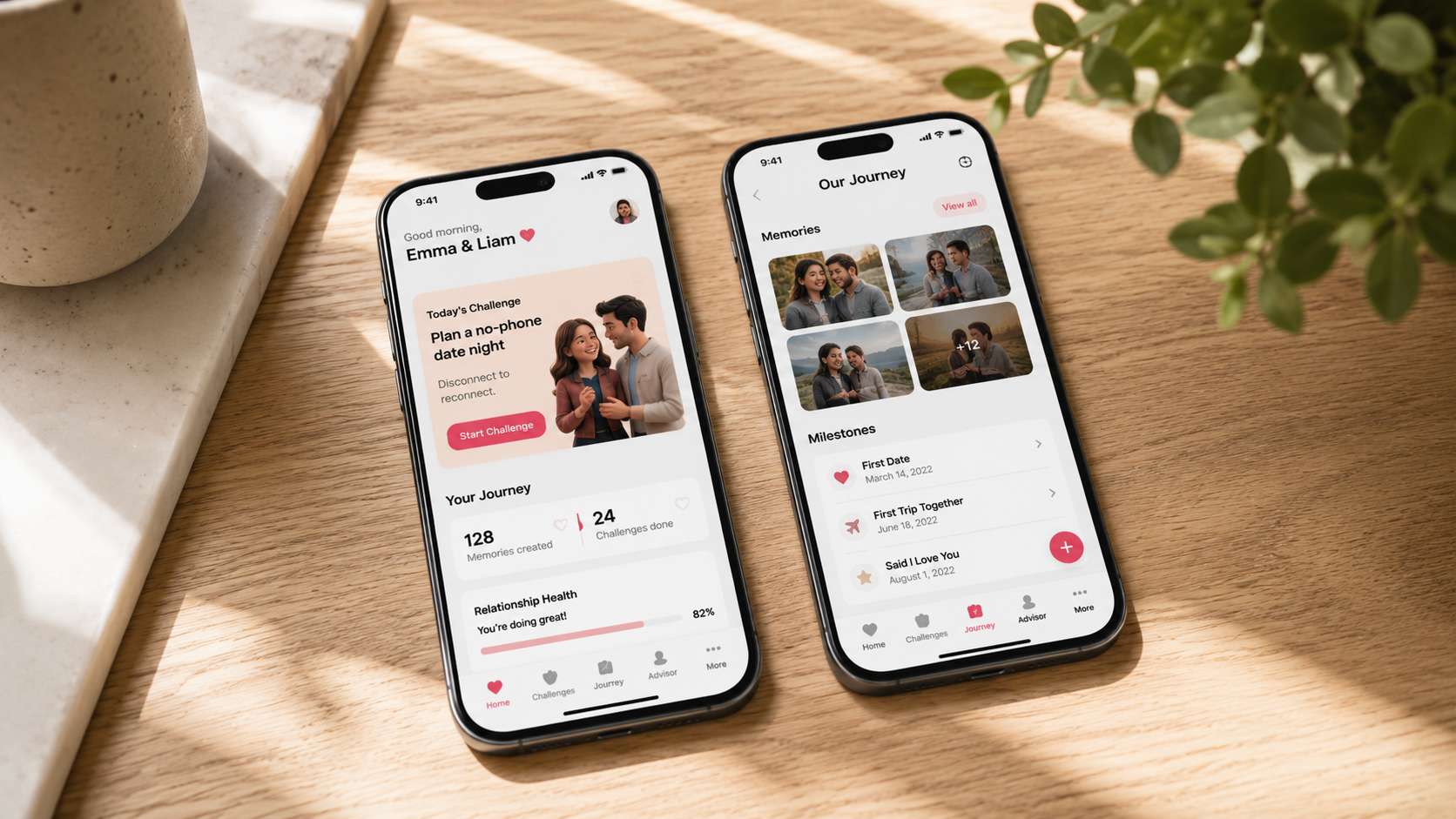
This is where tools like PairPlay: Couple Relationship App become invaluable. Instead of scrambling to think of something meaningful to say, you have a curated collection of deep, intimate questions designed specifically for moments like this. Questions that bridge the gap between physical and emotional intimacy. Questions that turn post-sex vulnerability into genuine connection.
Some questions to ask:
- "What were you thinking about when we were intimate?" This opens the door to your partner's inner experience. It's not about performance—it's about presence.
- "What did you feel in your body?" This keeps the conversation grounded in physical sensation while opening it to emotional experience.
- "What made you feel most connected to me?" This creates a feedback loop of positive reinforcement. Your partner tells you what worked, and you know what to repeat.
- "Is there anything you wish was different?" This takes courage, but it's essential. You're creating space for honesty without judgment.
If you want more questions like these—specifically designed for different moments in your relationship—download PairPlay: Couple Relationship App. It turns these vulnerable conversations into a game, which somehow makes them easier to have.
The Emotional Depth: Share What You're Actually Feeling

After physical intimacy, emotions are heightened. You might feel vulnerable, exposed, grateful, scared, or all of the above at once. Most people suppress these feelings. Big mistake.
This is the moment to be raw. To say the things you don't usually say. To admit what you're really feeling.
"I feel so safe with you right now." Say it. Don't overthink it.
"I was scared you wouldn't want me." Admit it. Let your partner comfort you.
"I love you so much it scares me sometimes." Express it. This is the moment for truth.
When you share your real emotional state after sex, you're not just deepening intimacy in that moment—you're building a template for emotional honesty in your entire relationship. You're teaching your partner that vulnerability is safe. That honesty is valued. That you can be fully yourself and still be loved.
This connects directly to what we explore in our guide on 30 Deep Questions to Ask Your Partner Tonight—vulnerability breeds vulnerability. When you model it, your partner feels safer doing it too.
The Reconnection Ritual: Create Your Own Post-Intimacy Practice
The most connected couples have rituals. They don't leave the post-sex moment to chance. They intentionally design it.
Maybe your ritual is:
- 5 minutes of silent holding. No talking. Just presence. Just breathing together.
- A specific question you always ask. Something that becomes "yours." Something that signals: "We're moving into emotional connection now."
- A shower or bath together. Washing each other. Caring for each other's body. This is intimate without being sexual.
- Lying in the dark and talking. Something about darkness makes honesty easier. You can't see each other's face, which somehow makes it safer to be vulnerable.
- A specific playlist. Music that becomes associated with this time. Over time, hearing it will trigger feelings of safety and connection.
The specific ritual doesn't matter. What matters is that it's intentional. That it's yours. That you both know what to expect and can show up for it.
This is similar to the concept we discuss in How to Restart Your Sex Life After Marriage—intentionality transforms everything. When you decide that post-intimacy connection matters, and you build a practice around it, your entire relationship shifts.
When Emotional Closeness Feels Difficult: Addressing the Real Blocks

Some couples struggle with emotional closeness after sex. If this is you, don't shame yourself. There are real reasons this might feel hard.
<strong>You might have attachment wounds.** Maybe you grew up in a family where vulnerability wasn't safe. Maybe you learned that needing someone was weakness. After sex, when you're most vulnerable, those old patterns activate. Your instinct is to pull away.
You might have trust issues. If you've been hurt before, letting your guard down after intimacy can feel terrifying. You're literally at your most exposed.
You might just not know how. Nobody teaches us this stuff. You might genuinely not know what to do or say to create emotional closeness.
The good news? All of these are solvable. Start with honest conversation. Ask your partner: "Do you feel emotionally close to me after we're intimate? If not, what would help?" This conversation itself is an act of connection.
If you need help with these conversations, PairPlay: Couple Relationship App has specific question sets designed for couples working through connection challenges. It takes the pressure off trying to figure it out alone.
You might also find value in exploring How Stress Destroys Your Sexual Connection—sometimes the block to emotional closeness isn't about the intimacy itself, but about stress and anxiety you're carrying into the bedroom.
The Long-Term Payoff: Why This Matters for Your Entire Relationship
Here's what happens when you consistently create emotional closeness after physical intimacy:
- Your sex life gets hotter. Because you're building real trust and vulnerability, not just physical mechanics.
- Your fights become less intense. Because you're already used to being emotionally open with each other.
- You feel less alone. Even in a relationship, many people feel isolated. Post-intimacy connection is the antidote.
- Your partner feels genuinely loved. Not just desired. Not just wanted. Truly loved and seen.
- You build resilience as a couple. When you can be vulnerable together, you can handle almost anything.
This is the foundation that Relationship Growth Questions for Serious Couples explores—deep connection isn't built in one conversation. It's built through consistent, intentional practice.
Conclusion: The Intimacy Doesn't End When the Sex Does
Emotional closeness after physical intimacy is one of the most underrated aspects of a strong relationship. It's where you move from "having sex" to "making love." It's where you build the kind of bond that actually lasts.
Start small. After your next intimate moment, stay present for five extra minutes. Make eye contact. Ask one real question. Share one honest feeling. Notice what shifts.
If you want more structure, more questions, more ways to deepen this practice, PairPlay: Couple Relationship App is literally designed for this. It turns these vulnerable moments into a game you both want to play. It gives you the words when you don't have them. It creates a practice that compounds over time.
Your relationship deserves this. You deserve this. The intimacy doesn't end when the sex does—it's just beginning.
FAQs: Your Questions About Emotional Closeness After Intimacy
- Q: Is it normal to feel distant after sex? A: Yes, it's common—but it's not inevitable. Some people experience what's called "post-coital dysphoria," which is a real physiological response. If this is you, talk to your partner about it. You might need different post-sex rituals that help you feel safe and connected rather than vulnerable and exposed.
- Q: What if my partner doesn't want to talk after sex? A: Not everyone processes intimacy through conversation. Some people need quiet. Some need movement. Work with your partner to find what helps them feel emotionally close. It might not look like what you expect, and that's okay.
- Q: How long should we stay close after sex? A: There's no magic number. Some couples need 5 minutes. Some need 30. The key is that it's intentional and mutual. Talk about what feels right for both of you.
- Q: Can emotional closeness after sex improve our overall relationship? A: Absolutely. This practice builds trust, vulnerability, and genuine connection that extends far beyond the bedroom. It's one of the most powerful relationship practices you can develop.
- Q: What if we struggle with vulnerability? A: Start small and go slow. You don't have to bare your soul immediately. Begin with physical presence. Add eye contact. Then add one simple question. Build from there. PairPlay can help guide this progression with its structured question sets.
Keep the conversation going.
Download PairPlay for thousands more questions and games designed to deepen emotional and physical intimacy with your partner.
Related reading
Frequently Asked Questions
Is it normal to feel distant after sex?
Yes, it's common—but it's not inevitable. Some people experience what's called "post-coital dysphoria," which is a real physiological response. If this is you, talk to your partner about it. You might need different post-sex rituals that help you feel safe and connected rather than vulnerable and exposed.
What if my partner doesn't want to talk after sex?
Not everyone processes intimacy through conversation. Some people need quiet. Some need movement. Work with your partner to find what helps them feel emotionally close. It might not look like what you expect, and that's okay.
How long should we stay close after sex?
There's no magic number. Some couples need 5 minutes. Some need 30. The key is that it's intentional and mutual. Talk about what feels right for both of you.
Can emotional closeness after sex improve our overall relationship?
Absolutely. This practice builds trust, vulnerability, and genuine connection that extends far beyond the bedroom. It's one of the most powerful relationship practices you can develop.
What if we struggle with vulnerability?
Start small and go slow. You don't have to bare your soul immediately. Begin with physical presence. Add eye contact. Then add one simple question. Build from there. PairPlay can help guide this progression with its structured question sets.
Written by PairPlay Editors
The PairPlay editorial team brings you the best research, tips, and stories to help craft deeper, stronger, and more exciting relationships.
Explore more topics
Keep building topical authority with deep dives by theme.
Keep The Spark Alive Daily
Install PairPlay and turn tonight into your best date night yet.
Get instant access to couple games, spicy prompts, and quick connection rituals built for real life. Open the app, pick a challenge, and reconnect in minutes.