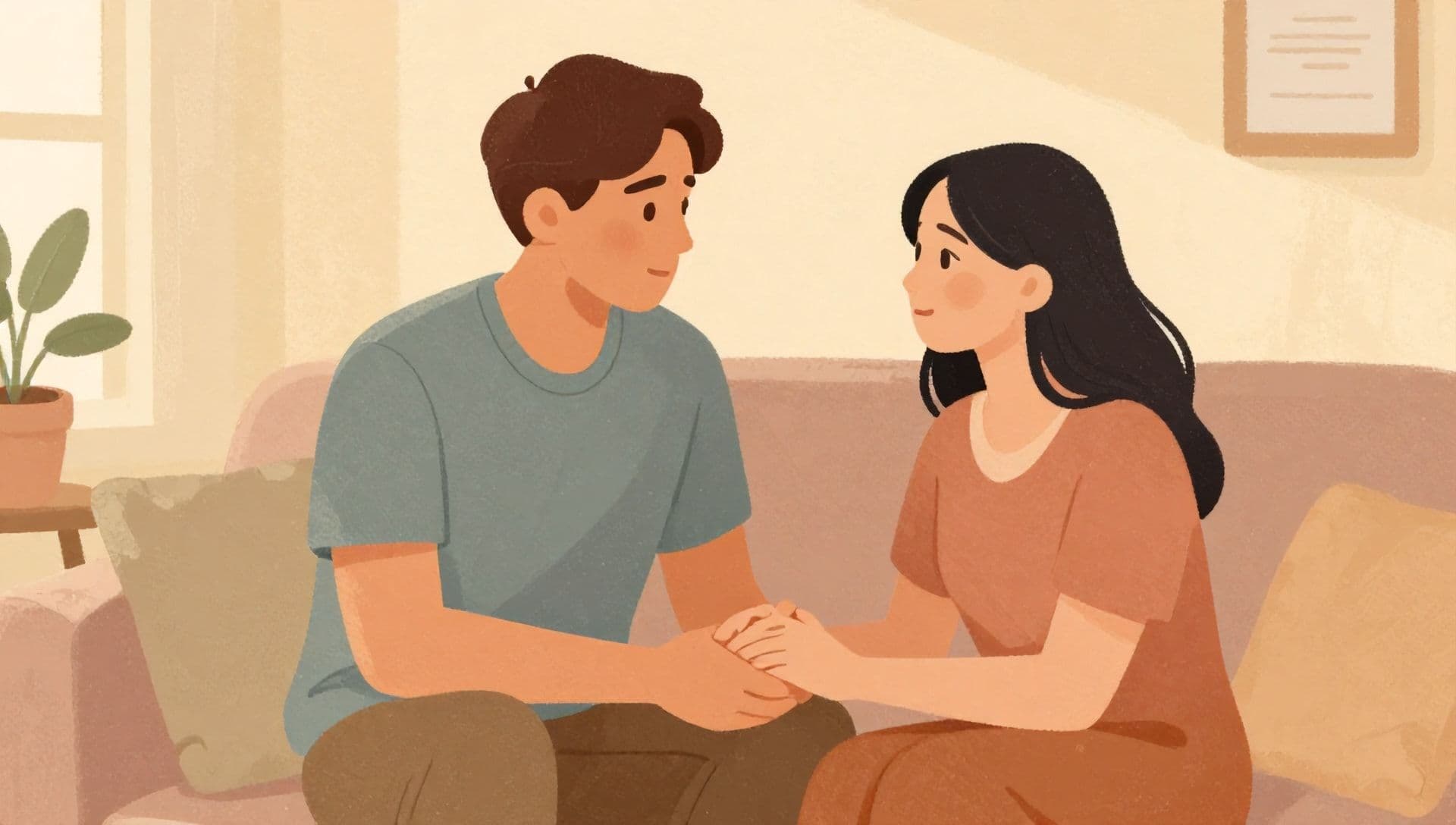
When the Honeymoon Phase Ends: Is It Normal?

Let's cut the crap. You've felt it—that gradual fading of the electricity that once made your fingertips tingle every time their name lit up your phone. The sex that used to feel like combustion now happens twice a month, predictably, with the lights off. You're lying there afterward, staring at the ceiling, wondering: Is it normal if the honeymoon phase ends?
Here's your answer: Yes. Not only is it normal, but it's also necessary. And if you handle it right, what comes next is so much better than those early days of frantic make-out sessions and texts that said "I miss you" when they were literally in the other room.
What Even Is the Honeymoon Phase, Anyway?

The honeymoon phase isn't just "the good part" of a relationship. It's a neurobiological firestorm. When you first fall for someone, your brain dumps dopamine, oxytocin, and adrenaline like it's handing out free samples at a candy store. You're not just in love—you're literally high. That obsessive thinking, that inability to stop smiling, that need to touch them constantly? That's chemistry, not depth.
But here's what nobody tells you: that level of neurochemical arousal is unsustainable. Your body literally cannot maintain that state forever. It's like running a marathon at sprint speed—you'll collapse before the finish line.
The real question isn't "why did it end?" It's "what was it ever really for?" And the answer is this: the honeymoon phase exists to bond you fast. Nature doesn't care about long-term compatibility—it just wants babies made and protected. So it gives you a temporary high so intense that you'd commit to another human being before your rational brain could intervene.
Why Your Brain Is Actually Betraying You (It's Not)
When the intensity fades, most people panic. They think it means they've made a mistake. They start scrolling through their partner's old texts, searching for evidence that the spark is gone. They wonder if they settled too soon.
But the fading of that initial fire isn't a betrayal—it's a transition. Your brain is simply returning to its baseline state. The "love drunk" feeling was never meant to last. What you're experiencing now is your relationship becoming real, not less.
According to research on attachment and long-term partnerships, couples who successfully navigate the post-honeymoon transition actually develop something called "earned secure attachment." That's when two people choose each other, repeatedly, without the crutch of constant neurochemical fireworks. It's harder. It's more vulnerable. And it's infinitely more meaningful.
Is It Normal If the Honeymoon Phase Ends? The Short Answer: Absolutely

If you're asking "is it normal if the honeymoon phase ends," the statistical reality should comfort you: nearly every long-term couple experiences this transition. Studies on relationship longevity consistently show that the intense romantic love phase typically lasts between 6 months to 2 years, with most couples noticing a significant shift around the 18-month mark.
But here's where most people get it wrong: they confuse "fading intensity" with "fading love." These are not the same thing. The butterflies go away because your nervous system stops treating your partner as a novel stimulus. But love? That deep, choosing-them-every-day kind of love? That grows in the space where the fireworks used to be.
What isn't normal is assuming that this transition means something is broken. Your relationship isn't dying—it's growing up.
What Happens After the Honeymoon Phase Ends (It's Not What You Think)
Here's the dirty secret the relationship industry doesn't want you to know: the best sex of your life often happens after the honeymoon phase.
During the honeymoon phase, sex is mostly about urgency. You're trying to fuse with this new, exciting person. It's frantic. It's desperate. It's incredibly hot—but it's not necessarily good in the deep, knowing way that great sex becomes.
After the intensity settles, you actually get to learn each other. You start asking questions like "What do you actually like?" and "What turns you on when you're stressed?" You build a sexual vocabulary together. You stop performing and start being.
But here's the catch: this only happens if you both lean into the transition instead of retreating from it. Many couples, when the honeymoon phase ends, start sleeping in separate beds. They stop touching. They assume the intimacy is gone when it's actually just changing form.
Want to navigate this transition intentionally? Download PairPlay: Couple Relationship App and turn these conversations into something fun instead of terrifying. The app is designed to help couples move from surface-level "how was your day" to the deeper stuff—like what you actually want in bed, what fantasies you've been afraid to share, and how to keep the spark alive when life gets chaotic.
The Difference Between Normal Fading and Real Problems
Not all intensity loss is healthy. Here's how to tell the difference:
- Normal: You still feel connected, just differently. You can still have fun together. Sex is less frequent but more satisfying when it happens.
- Problematic: You feel distant, resentful, or like roommates. You stop wanting to touch each other at all. There's underlying conflict you're avoiding.
- Warning sign: If you're avoiding physical intimacy because you're afraid of conflict, or if touching your partner feels like a chore rather than something you want—that's not the honeymoon phase ending. That's disconnection.
The key differentiator is choice. In a healthy transition, you're choosing each other despite the lack of fireworks. In an unhealthy one, you're drifting apart without even noticing.
How to Keep the Spark Alive (Without Faking It)
Here's where most relationship advice fails: it tells you to "schedule date nights" and "communicate more," as if those generic instructions actually help couples do the hard work of staying connected.
Real intimacy maintenance requires specific, vulnerable conversations. It requires learning new things about your partner even after years together. It requires being curious about their inner world when you've already "figured them out."
That's exactly why PairPlay: Couple Relationship App exists. Instead of generic advice, it gives you actual questions to ask each other—questions that dig into desires, fears, fantasies, and dreams. It turns relationship maintenance into a game you actually want to play together.
Try this: download PairPlay and answer the "Intimacy" category questions together tonight. We're talking about the stuff you might be too scared to bring up on your own. The app creates a safe space to explore what you both want, what you've been withholding, and how to bridge the gap between where you are and where you want to be.
Because here's the truth: the honeymoon phase ending doesn't mean passion is gone. It means passion is waiting for you to be intentional about finding it again.
The Money Conversation You Can't Avoid
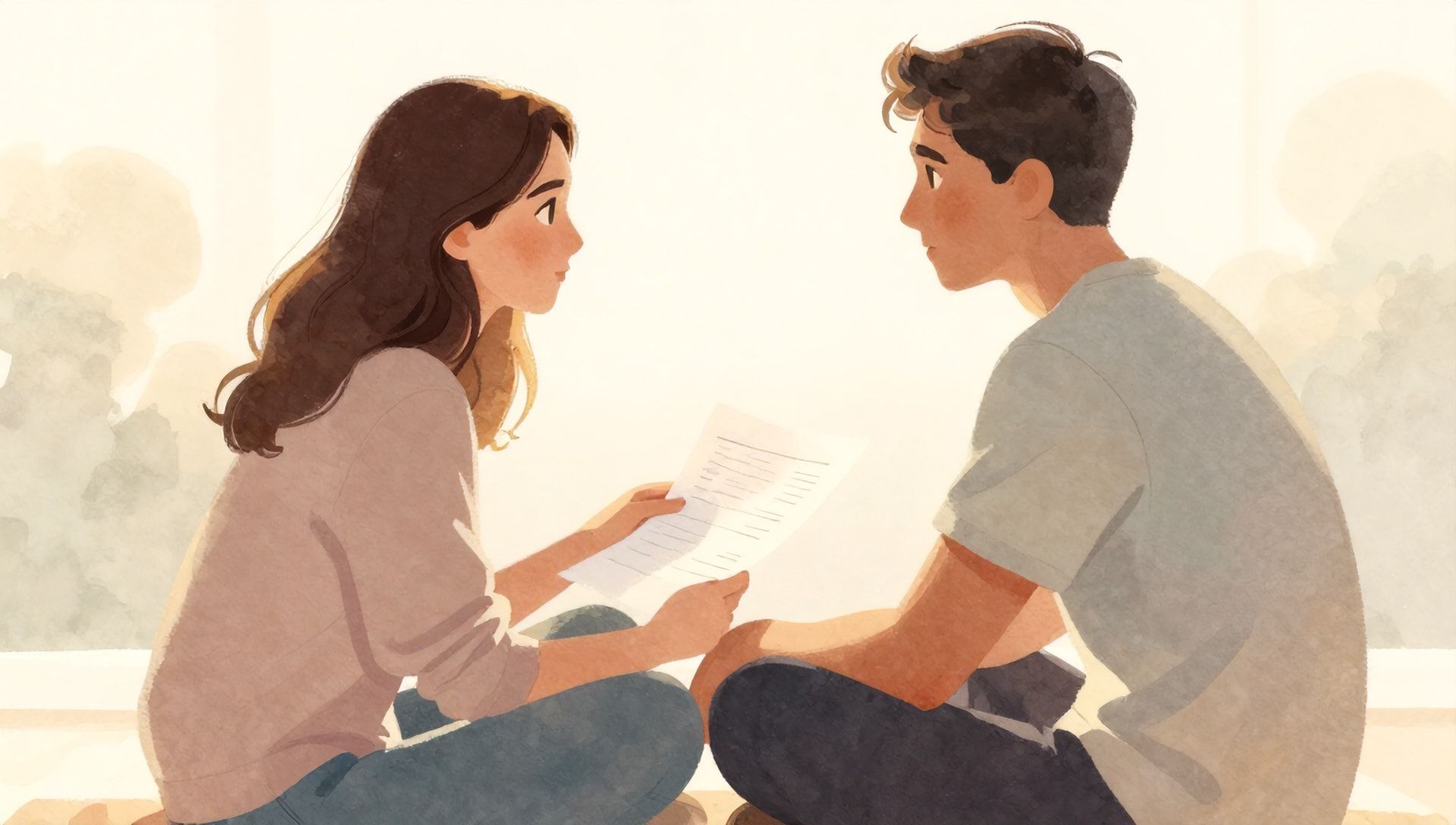
Here's something they never mention in romantic comedies: financial stress is one of the biggest killers of post-honeymoon intimacy. When the initial romance fades, practical concerns start creeping in—and if you and your partner aren't aligned on money, that friction can quickly erode the connection you've built.
Many couples avoid money conversations until they're married, living together, or deep in debt. But the truth is, how you talk about finances in the early months predicts a lot about your long-term compatibility. If you're in the transition period after the honeymoon phase ends, this is the perfect time to get real about spending, saving, and values.
Curious about how money fights actually destroy intimacy? The Gottman Institute's research on financial conflict shows that couples who approach money as "we" instead of "me" have significantly higher relationship satisfaction years later. But getting there requires honest, vulnerable conversations—exactly the kind that PairPlay: Couple Relationship App facilitates through its dedicated money conversation prompts.
If you're wondering why you and your partner suddenly can't stop fighting about spending after the romance settles, you're not imagining it. The honeymoon phase masks conflict because you're too busy having sex to notice your different values. When that fog lifts, the real work begins.
When Financial Stress Hits the Bedroom
Let's get uncomfortable: money stress kills libido. When you're anxious about bills, debt, or your partner's spending habits, your body doesn't want to have sex—it wants to survive. This creates a vicious cycle where financial tension leads to less intimacy, which leads to emotional distance, which leads to more conflict about money.
Breaking this cycle requires addressing both issues simultaneously. You need to get on the same page financially and rebuild the physical connection that makes those conversations feel safe. That's not easy to do alone—which is why tools like PairPlay exist. The app helps couples tackle the hard topics without the argument escalating into a blame game.
For more on how money dynamics specifically impact couple intimacy, check out Psychology Today's relationship therapy resources, which explore the connection between financial anxiety and sexual desire in long-term partnerships.
When "Normal" Becomes a Warning Sign
We've established that the honeymoon phase ending is normal. But there are times when what looks like a normal transition is actually the beginning of the end. Here's how to tell the difference:
If you're experiencing any of these patterns, the issue isn't just the natural fading of romantic intensity—it's something that requires intentional intervention:
- Contempt creeping in: If you find yourself mocking your partner, rolling your eyes at their thoughts, or treating their feelings as inconvenient, that's not post-honeymoon normalcy. That's relationship poison.
- Complete physical avoidance: It's normal for sex frequency to decrease. It's not normal to actively avoid your partner's touch or feel repulsed by them.
- Secret lives: If you're maintaining separate financial accounts, separate social lives, and separate friend groups without intentionality, you're not transitioning—you're separating.
- Chronic criticism: Every conversation somehow becomes a list of what your partner is doing wrong.
If any of these resonate, it's time to get support. Not because your relationship is broken, but because some patterns need professional tools to unwind. Couples therapy, intentional reconnection practices, and honest conversations about what you're both feeling—all of these can help.
And if you're not sure where to start? Download PairPlay: Couple Relationship App and start with the "Relationship Check-In" module. It's designed to help couples identify warning signs before they become dealbreakers, and to open up conversations that might be too scary to start alone.
What Successful Couples Do Differently

After studying thousands of couples, researchers have identified patterns that separate those who thrive after the honeymoon phase ends from those who flame out. Here's what the successful ones do:
First, they redefine intimacy. They stop measuring their relationship by the standards of the honeymoon phase and start measuring it by what actually matters: trust, safety, growth, and chosen love. They understand that the early intensity was the appetizer—this is the main course.
Second, they stay curious. They don't assume they know everything about their partner. They keep asking questions, keep discovering new things, and treat each other as ongoing projects of mutual discovery. Boredom isn't a sign of a bad relationship—it's a sign of stopped trying.
Third, they fight clean. Every couple fights. The difference is in how they fight. Successful couples repair quickly, don't weaponize vulnerabilities, and always, always come back to connection.
Fourth, they prioritize pleasure. Not just sexual pleasure—physical pleasure in general. Touching, hugging, sitting close together, existing in the same physical space. The body leads the heart, and couples who maintain physical warmth maintain emotional warmth.
And fifth, they use tools. They don't try to navigate the most complex human relationship of their lives using only their instincts. They read books, download apps, go to therapy, and actively invest in their partnership. PairPlay: Couple Relationship App is one of those tools—designed specifically to help couples stay connected through the transitions that trip up everyone else.
The Bottom Line: The Honeymoon Phase Ending Isn't the Problem—Your Reaction Is
So, is it normal if the honeymoon phase ends? Yes. It is the most normal thing in the world.
What's not normal is assuming that ending means failure. What's not normal is staying in a relationship that no longer serves you just because you're afraid you can't find that intensity again. What's not normal is ignoring the signs that something deeper is wrong because you're holding out hope that the spark will come back on its own.
The honeymoon phase ending is an invitation. It's an invitation to stop being love-drunk and start being love-wise. To choose your partner with full awareness instead of chemical assistance. To build something that can actually last.
Will it require effort? Absolutely. Will it require conversations you've been avoiding? Definitely. Will it require being vulnerable in ways that feel terrifying? 100%.
But here's the good news: you don't have to figure it out alone. Download PairPlay: Couple Relationship App and let it guide you through the questions that matter. Because the couples who thrive aren't the ones who never struggle—they're the ones who have the tools to turn struggle into connection.
The fire doesn't have to burn at the same intensity forever. But it does have to keep burning. And with the right approach, it can burn even warmer—just in a different way.
Ready to navigate what's next? Get PairPlay now and start turning the page on your relationship story.
Trusted External Resources
Keep the conversation going.
Download PairPlay for thousands more questions and games designed to help couples stay connected through every phase of their relationship.
Related reading
- Why Do Married Couples Argue About Spending? The Raw Truth About Money and Marriage
- How Do Couples Stop Fighting About Money? (And Still Want Each Other After)
- What Happens When Couples Keep Finances Separate? The Raw Truth About Money, Trust, and Bedroom Drama
- The Yours, Mine, and Ours Budget: How Couples Finally Talk About Money Without Fighting
- 7 Joint Account Mistakes That Kill Intimacy (And How to Fix Them Before It Ruins Your Relationship)
Frequently Asked Questions
How long does the honeymoon phase typically last?
The honeymoon phase usually lasts between 6 months to 2 years, with most couples noticing a significant shift around the 18-month mark. However, the exact timeline varies based on individual attachment styles, relationship dynamics, and life stressors. Some couples experience multiple "mini honeymoon phases" throughout their relationship, especially after periods of distance or significant shared experiences.
Does the honeymoon phase ending mean I'm not in love anymore?
No—not even close. The honeymoon phase ending means the neurochemical intensity has normalized, not that your love has disappeared. What you're experiencing is a transition from "in love" (based on dopamine and attraction) to "love" (based on attachment, commitment, and chosen connection). This deeper love is actually more sustainable and meaningful than the initial high.
Can you get the spark back after the honeymoon phase ends?
Absolutely—but it requires intentionality. The "spark" doesn't just reignite on its own; you need to create conditions for reconnection. This includes trying new experiences together (which releases dopamine), having vulnerable conversations, maintaining physical touch, and being curious about each other. Tools like PairPlay help couples systematically work on reconnection instead of hoping it happens naturally.
Is it normal for sex to decrease after the honeymoon phase?
Yes, it's completely normal for sexual frequency to decrease after the initial honeymoon intensity. During the honeymoon phase, sex is partly driven by novelty and neurochemical urgency. After that settles, sex often becomes less frequent but can become deeper, more satisfying, and more connected—if both partners are intentional about maintaining intimacy and communicating about their evolving desires.
When should I be worried about my relationship after the honeymoon phase ends?
You should be concerned if you notice patterns like contempt, complete emotional or physical avoidance, chronic criticism, or feeling like you have to hide aspects of yourself. A normal transition involves feeling connected differently, not feeling disconnected entirely. If you're dreading time with your partner, avoiding physical touch, or feeling resentment instead of love, consider couples therapy or using a tool like PairPlay to address underlying issues before they escalate.
Written by PairPlay Editors
The PairPlay editorial team brings you the best research, tips, and stories to help craft deeper, stronger, and more exciting relationships.
Explore more topics
Keep building topical authority with deep dives by theme.
Keep The Spark Alive Daily
Install PairPlay and turn tonight into your best date night yet.
Get instant access to couple games, spicy prompts, and quick connection rituals built for real life. Open the app, pick a challenge, and reconnect in minutes.