
Stress & Sex Life: How Tension Kills Desire

Let's be brutally honest: stress is a libido killer. Not in a cute, "I'm too tired tonight" way. We're talking about the kind of stress that makes your cock go soft mid-thrust, that dries up your pussy before you even get started, and that turns your bedroom from a sanctuary of pleasure into just another place where you feel like you're failing.
The worst part? You probably don't even realize it's happening until you're already in bed, frustrated and confused about why your body won't cooperate.
Stress and your sex life are deeply intertwined. When your nervous system is in overdrive—whether from work deadlines, financial pressure, family drama, or just the relentless grind of modern life—your body literally cannot prioritize pleasure. Your brain is too busy preparing for a threat that may never come.
This guide breaks down exactly how stress destroys your sexual connection, what's happening in your body, and most importantly, how to reclaim the passion you're missing.
The Science: How Stress Destroys Sexual Desire

When you're stressed, your body releases cortisol and adrenaline. These hormones are designed to help you survive immediate threats—they make your heart race, sharpen your focus, and prepare your muscles for action. Evolutionarily, this is brilliant. Practically, it's a disaster for your sex life.
Here's what happens:
-
Cortisol suppresses testosterone: Both men and women need testosterone for desire, arousal, and sexual satisfaction. Chronic stress keeps cortisol elevated, which directly tanks your testosterone levels. Translation: you don't want sex, even when your partner is literally begging for it.
-
Your nervous system stays in "fight or flight": Sexual arousal requires your parasympathetic nervous system to activate—the "rest and digest" mode. When stress keeps you in sympathetic overdrive, your body literally cannot relax enough to get turned on. Your vagina won't lubricate. Your erection won't happen. Your orgasm feels distant and impossible.
-
Blood flow redirects: Stress causes vasoconstriction, meaning blood vessels tighten. During sex, you need blood flowing to your genitals. Stress redirects that blood to your muscles and brain, leaving your sexual organs underperforming.
-
Your brain goes offline: Arousal happens in your brain first. Stress floods your prefrontal cortex with cortisol, making it impossible to fantasize, focus, or feel present during sex. You're thinking about the presentation tomorrow, not the person touching you.
The Physical Symptoms: What Stress-Induced Sexual Dysfunction Looks Like
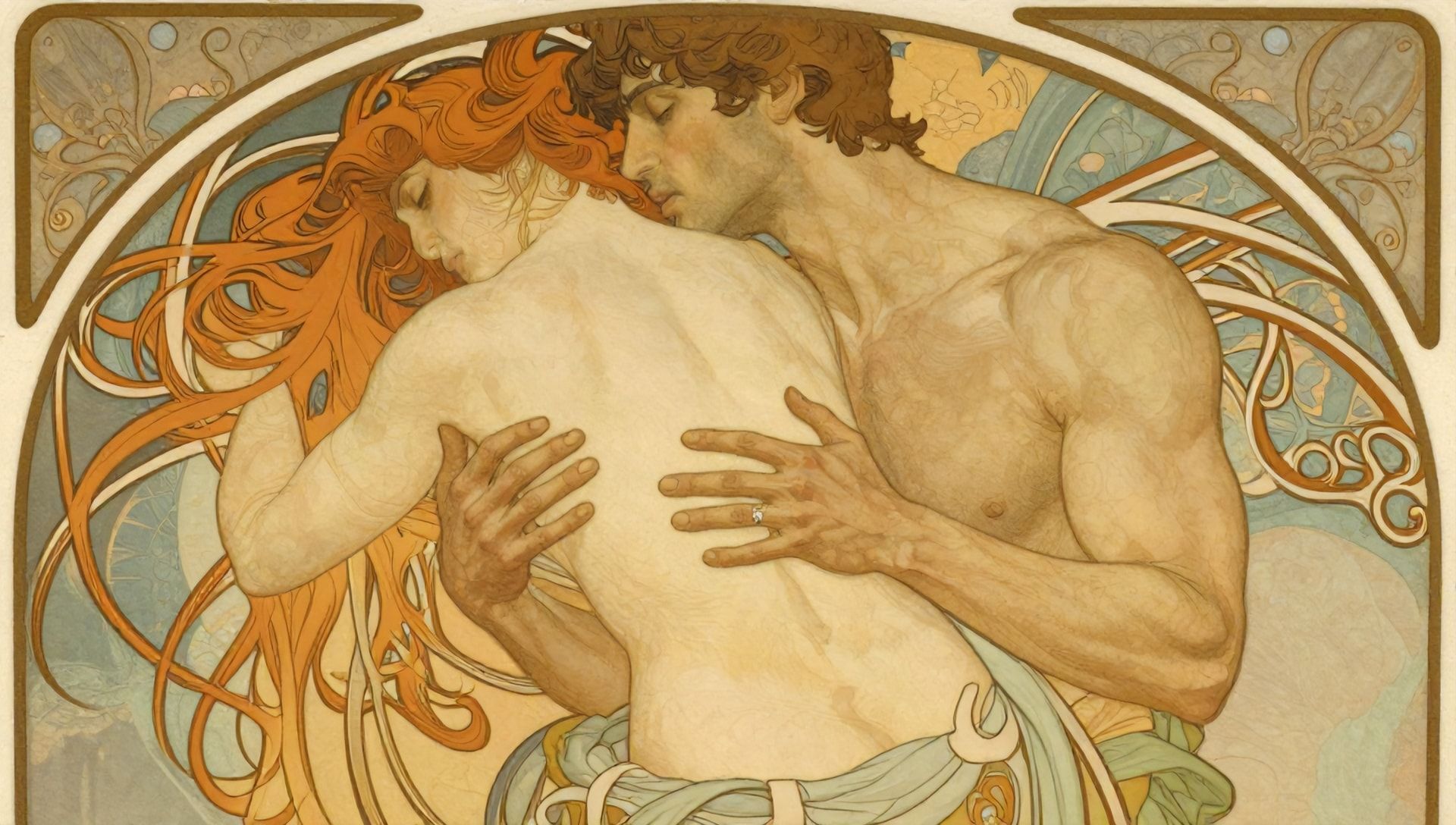
Stress doesn't just kill the mood—it creates specific, frustrating sexual problems that couples often misinterpret as relationship issues or personal failures.
In Men: Erectile Dysfunction & Premature Ejaculation
Stress-related erectile dysfunction is incredibly common, and it's not about attraction. A man can be completely turned on mentally but physically unable to maintain an erection because his nervous system is too activated. The anxiety about performance then creates a vicious cycle—he's stressed about not getting hard, which makes it even harder to get hard.
Premature ejaculation under stress is the flip side: his body is so activated that it rushes through the sexual response, desperate to "finish" and return to safety.
In Women: Low Libido, Difficulty Lubricating & Anorgasmia
Women under stress often experience a complete shutdown of desire. The vagina becomes dry because arousal hormones aren't being released. Even when a woman is touched, her body doesn't respond the way it should. And orgasms? They can feel impossible—her mind is too busy spinning with worries to let her body surrender to pleasure.
In Both: Emotional Disconnection During Sex
Perhaps the most damaging effect of stress on your sex life is emotional. You're physically present but mentally absent. You can't be vulnerable. You can't surrender. Sex becomes a chore instead of a connection, and that resentment builds fast.
The Relationship Impact: How Stress Kills Intimacy Between Partners
When stress affects your sex life, it doesn't stay in the bedroom. It bleeds into every interaction with your partner.
One partner starts initiating sex less because they're stressed and don't feel desired. The other partner feels rejected and stops trying. Both partners blame each other instead of recognizing the real culprit: external stress.
Resentment builds. Communication breaks down. The bedroom becomes a minefield of unspoken frustration instead of a space for connection.
This is where many couples get stuck. They think the problem is their relationship or their attraction to each other, when the real issue is that they're both drowning in stress and don't know how to talk about it openly.
Want to start having these conversations? Check out our guide on why sexual communication is important in relationships—it gives you the framework to discuss desire, stress, and what you actually need from each other.
The Stress-Sex Cycle: How It Gets Worse

Here's the trap: stress kills your sex drive, which means less sex, which increases stress, which kills your sex drive even more.
Sex is actually a stress reliever. Orgasms release endorphins, oxytocin, and other neurochemicals that lower cortisol and promote relaxation. When stress prevents you from having sex, you lose one of your most powerful stress-management tools. You're left spiraling.
Additionally, a healthy sex life strengthens your emotional bond with your partner. When stress kills your sex life, you lose that connection exactly when you need it most. You feel more isolated, more anxious, more stressed. The cycle deepens.
7 Powerful Ways to Reclaim Your Sex Life When Stress Is Crushing You
1. Name the Stress Directly (Don't Blame the Relationship)
Have a real conversation with your partner about what's actually stressing you. Say it out loud: "I'm stressed about work, and I know it's affecting my desire. This isn't about you or us—it's about what I'm carrying." This single conversation can transform shame into compassion.
2. Create a Stress-Free Zone in Your Bedroom
Your bedroom should be a sanctuary, not an extension of your stressful life. Remove work materials, silence your phone, dim the lights. Make it a place where stress literally cannot follow you. Your nervous system needs to know it's safe to relax.
3. Prioritize Non-Sexual Touch
When stress is high, pressure to perform sexually makes everything worse. Instead, focus on massage, cuddling, and affection with zero expectation of sex. This rebuilds the nervous system's ability to relax and reconnect. Often, this leads to sex naturally—without the pressure.
4. Use Breathwork to Shift Your Nervous System
Deep breathing activates your parasympathetic nervous system. Before sex, spend 5 minutes doing box breathing (4 counts in, 4 counts hold, 4 counts out, 4 counts hold). This literally changes your physiology and makes arousal possible.
5. Address the Root Stress, Not Just the Symptoms
If work stress is killing your sex life, you need to address work stress. If financial anxiety is the culprit, you need a financial plan. Sex won't improve until you tackle what's actually stressing you. This might mean therapy, lifestyle changes, or difficult conversations with your boss or family.
6. Start Asking Real Questions About Desire & Needs
When stress loosens its grip, you need to rebuild intimacy through honest conversation. What do you actually want? What does your partner want? What did you used to enjoy that you've forgotten about? These conversations are awkward and vulnerable—which is exactly why they work.
Want a structured way to have these conversations? Download PairPlay: Couple Relationship App, which turns intimate questions into a playful game. Instead of sitting across from each other nervously, you're laughing, connecting, and actually learning what your partner desires. It makes vulnerability feel natural.
7. Use Stress-Reduction Practices Consistently
Exercise, meditation, therapy, time in nature—these aren't luxuries. They're essential maintenance for your nervous system and your sex life. A 20-minute walk can lower cortisol more effectively than anything else you do that day. Prioritize it like you prioritize work.
When to Seek Professional Help

If stress has been affecting your sex life for more than a few months, consider talking to a therapist or sex therapist. Chronic stress can create sexual patterns that persist even after the stress is gone. A professional can help you break those patterns and rebuild.
Similarly, if stress is causing relationship conflict around sex, couples therapy is invaluable. A therapist can help you communicate about stress and desire without blame, and can guide you toward reconnection.
For deeper relationship conversations, explore our couple compatibility quiz questions to understand what you both really need and want—both in bed and in life.
Rebuilding Desire After Stress: The Long Game
Reclaiming your sex life after stress is a process, not a quick fix. Your nervous system has been in overdrive. It needs time to learn that it's safe to relax, to feel pleasure, to be vulnerable.
Start small. Prioritize one or two of the strategies above. Be patient with yourself and your partner. Celebrate small wins—the first time you feel genuine desire again, the first time you laugh during sex, the first time you feel truly present.
And remember: this is something you're doing together. Your partner isn't the enemy here. Stress is. Approach this as a team, and your sex life will come back stronger than before.
If you're looking for ways to deepen conversation and reconnection with your partner, check out marriage communication questions to build trust. Real intimacy starts with real conversation.
Conclusion: Stress Doesn't Have to Kill Your Sex Life
Stress and your sex life don't have to be enemies. By understanding how stress affects your body, naming it directly with your partner, and taking concrete steps to manage it, you can reclaim the passion and connection you're missing.
Your sex life is worth protecting. It's worth the conversation, the vulnerability, and the effort to rebuild. Start today.
FAQs: Stress and Sex Life
<div class="faq-section">How long does it take for stress to affect your sex life?
For most people, stress begins affecting sexual desire and performance within days to a few weeks. Acute stress (like a big work deadline) can impact sex immediately. Chronic stress compounds over time, making the sexual problems more entrenched.
Can stress cause permanent sexual dysfunction?
No. Sexual dysfunction caused by stress is reversible. Once the stress is managed and your nervous system settles, sexual function typically returns. However, if anxiety about sexual performance develops, that can persist and requires specific attention to break the cycle.
Should we still have sex when stressed?
Not necessarily. If sex feels like pressure or obligation, skip it. Instead, focus on non-sexual intimacy. However, if you both want sex and can approach it without performance pressure, sex can actually be a powerful stress reliever. The key is removing the "should" and focusing on desire.
How does stress affect men's and women's sex drives differently?
While stress affects both, research shows women's libido tends to drop more dramatically under stress, while men may experience performance issues (ED or PE) even when desire is present. However, individual responses vary widely—some men lose all desire under stress, and some women maintain strong desire despite stress.
Is it normal for couples to stop having sex during stressful periods?
Yes, it's very common. However, it's also a critical time to maintain some form of intimacy. Even 15 minutes of non-sexual touch can maintain your emotional connection and prevent the resentment that often builds when sex completely disappears. Want guidance on reconnecting? Try couple bucket list ideas for stronger bonds—planning future pleasure together can reignite connection even during stressful times.
</div>Ready to reconnect under pressure?
Download PairPlay: Couple Relationship App to turn intimate conversations into playful games. Rebuild desire, deepen connection, and remember why you fell in love—even when stress is high.
Related reading
Frequently Asked Questions
How long does it take for stress to affect your sex life?
For most people, stress begins affecting sexual desire and performance within days to a few weeks. Acute stress (like a big work deadline) can impact sex immediately. Chronic stress compounds over time, making the sexual problems more entrenched.
Can stress cause permanent sexual dysfunction?
No. Sexual dysfunction caused by stress is reversible. Once the stress is managed and your nervous system settles, sexual function typically returns. However, if anxiety about sexual performance develops, that can persist and requires specific attention to break the cycle.
Should we still have sex when stressed?
Not necessarily. If sex feels like pressure or obligation, skip it. Instead, focus on non-sexual intimacy. However, if you both want sex and can approach it without performance pressure, sex can actually be a powerful stress reliever. The key is removing the "should" and focusing on desire.
How does stress affect men's and women's sex drives differently?
While stress affects both, research shows women's libido tends to drop more dramatically under stress, while men may experience performance issues (ED or PE) even when desire is present. However, individual responses vary widely—some men lose all desire under stress, and some women maintain strong desire despite stress.
Is it normal for couples to stop having sex during stressful periods?
Yes, it's very common. However, it's also a critical time to maintain some form of intimacy. Even 15 minutes of non-sexual touch can maintain your emotional connection and prevent the resentment that often builds when sex completely disappears.
Written by PairPlay Editors
The PairPlay editorial team brings you the best research, tips, and stories to help craft deeper, stronger, and more exciting relationships.
Explore more topics
Keep building topical authority with deep dives by theme.
Keep The Spark Alive Daily
Install PairPlay and turn tonight into your best date night yet.
Get instant access to couple games, spicy prompts, and quick connection rituals built for real life. Open the app, pick a challenge, and reconnect in minutes.