Overcoming Intimacy Avoidance Together (Couples Guide)

Intimacy avoidance is when you love your partner but your body says, not now, not like that, not this close. You dodge kisses. You stiffen when a hand slides under your shirt. You suddenly need to clean the kitchen at midnight. Or you pick a fight because anger feels safer than wanting.
If youre searching for intimacy avoidance couples advice, heres the truth: avoidance is rarely about not loving them. Its usually about not feeling safe in your nervous system, your heart, or your history. And yes, you can fix it together without forcing sex, faking desire, or shaming the partner who wants more.
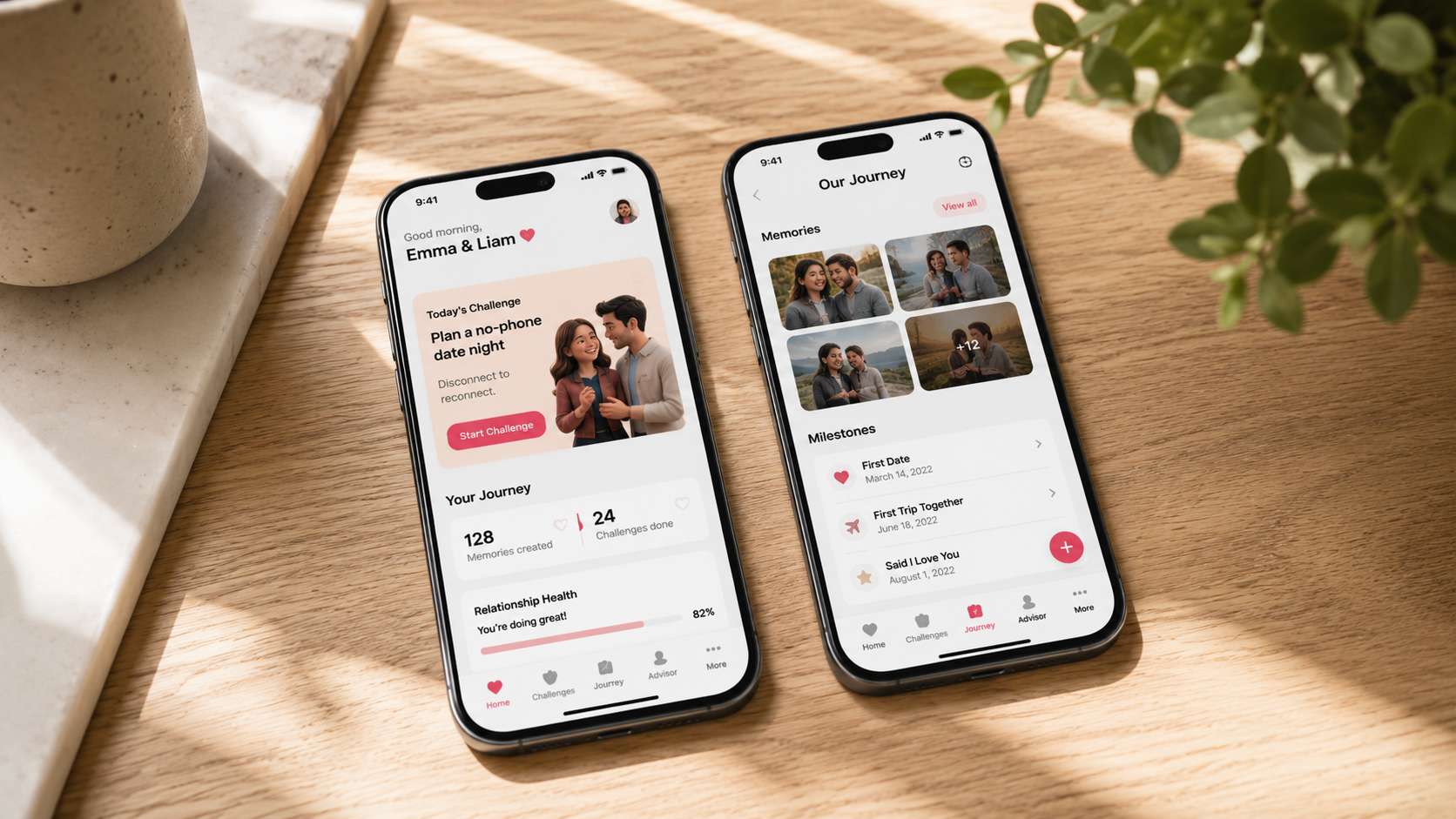
This is the dark, practical guide to building your way back: from distance to touch, from pressure to consent, from avoidance to honest heat. And if you want a simple companion tool that keeps the conversation going without turning your bedroom into a therapy office, PairPlay: Couple Relationship App is built for that. Want more questions like this? Download PairPlay and turn awkward talks into a guided game you can actually finish.
1) What intimacy avoidance actually looks like (beyond saying no)

Most couples think intimacy avoidance is just refusing sex. But it can be sneakier than that, and it can show up in the partner who says they want sex too.
- Busy avoidance: staying booked, exhausted, and unavailable so intimacy never has room to happen.
- Emotional avoidance: you can have sex, but you cannot talk about feelings, needs, fantasies, or fear.
- Touch avoidance: hugging feels awkward, kissing feels performative, cuddling feels like a trap.
- Escalation fear: you avoid innocent touch because you think it must lead to sex (and you are not ready).
- Perfection avoidance: if it cannot be mind-blowing, you would rather do nothing than risk disappointment.
- Conflict sex cycle: sex only happens after a fight, or fights happen right before sex, because intensity feels safer than tenderness.
Here is the key: avoidance is a strategy. It might be protecting you from shame, pain, rejection, performance anxiety, body insecurity, trauma memories, or the heavy pressure of being the one who is supposed to fix the bedroom.
If you two have also been struggling with desire changes over time, link this with what long-term attraction actually needs: How to Keep the Spark Alive Over the Years: The Raw Truth About Long-Term Desire.
2) The real causes: why your body says no when your mind says yes

Intimacy avoidance is often a nervous system problem, not a character flaw. Your body learned that closeness equals danger, obligation, humiliation, or loss of control. So it protects you by shutting down.
When sex became a job (pressure, duty, and silent scorekeeping)
If one partner initiates and the other rejects, over and over, the relationship can turn into a scoreboard. The higher-desire partner feels unwanted. The lower-desire partner feels hunted. Eventually, even a sweet touch can feel like a demand.
That is why consent is not a buzzword. Its the difference between melting and bracing. If you need a blunt reset, read: What Is Consent in a Long-Term Relationship? The Raw Truth About Desire, Boundaries & Real Connection.
When attachment wounds run the bedroom
Avoidance can be avoidant attachment patterns, but it can also be anxious attachment in disguise: you avoid because you fear you will not be enough, or you will be rejected, or you will lose them if you cannot perform.
Sometimes the deepest trigger is this: intimacy means being seen. And being seen feels like being judged.
When stress, meds, hormones, or pain are the villain
Low libido and avoidance can be medical. Depression, anxiety, postpartum changes, perimenopause, thyroid issues, chronic pain, pelvic pain, erectile issues, and certain medications can turn sex into something your body dreads.
For accurate sexual health education, check medically reviewed information from Cleveland Clinic sexual health. If pain is part of your story, learn more from International Society for Sexual Medicine resources.
3) The toxic loop: desire gap, rejection, resentment, shutdown
Most intimacy avoidance couples get stuck in a loop that feels personal but is painfully predictable:
- Initiation: one partner reaches, often clumsily.
- Interpretation: the other hears pressure, not desire.
- Rejection: a no, a joke, a dodge, a sigh.
- Protest: the initiator sulks, argues, or goes cold.
- Shutdown: the avoidant partner feels unsafe and avoids more.
This is not about who is right. It is about what the cycle is doing to your nervous systems. Your bedroom becomes a courtroom. Every kiss feels like evidence.
If you want a tool to break the loop without making it a 90-minute emotional summit, PairPlay: Couple Relationship App gives you structured prompts and games so you can talk in bites, not breakdowns. PairPlay turns these questions into a fun game that keeps you honest without turning you into enemies.
4) Rebuilding safety before you rebuild sex

Hot sex is not the starting line. Safety is. And safety is built with small, repeatable experiences of respect.
- No punishment for no: no sulking, no sarcasm, no withdrawal, no guilt.
- No sneaky escalation: if you say cuddle, it stays cuddle unless both people explicitly change the agreement.
- Clear time boundaries: intimacy does not have to eat the whole night. Sometimes 10 minutes is the win.
- Repair after rupture: if someone freezes or snaps, you come back and name it, not bury it.
Try this script. Say it out loud. Yes, it will feel awkward. Do it anyway.
<blockquote>*I want you. And I also want you to feel safe. If you say no, I will not punish you. If you say yes, I will not take more than you offer.* </blockquote>If you need help staying emotionally connected after sex (because sometimes intimacy avoidance is the fear of what happens after), read: [How to Feel Emotionally Close After Physical Intimacy: The Raw Truth About What Happens Next](https://pairplaycouples.app/blogs/emotional-closeness-after-sex).5) A practical 14-day intimacy reset (no pressure, lots of heat)
This reset is for couples who want to move again without triggering the whole system. It is not about forcing sex. It is about building positive proof that closeness can feel good.
Days 1-4: Consent, containers, and soft contact
- Pick a time window: 15 to 30 minutes, no phones.
- Agree on the rule: no penetration, no orgasm goals, no escalation unless both explicitly say yes.
- Do soft contact: hand holding, shoulder rub, slow kissing, lying naked or clothed, your choice.
- End with words: each person says one thing they liked, one boundary, one desire for next time.
Want prompts that make this easier? PairPlay: Couple Relationship App can guide you through consent check-ins and desire questions so you are not improvising while anxious.
Days 5-10: Sensate focus style touch (learn each other again)
This is where you touch for sensation, not performance. Many sex therapists use sensate focus to reduce pressure and rebuild desire. A solid overview is available via Harvard Health sensate focus overview.
- Round 1: one partner receives touch on non-genital areas, the other gives. No trying to arouse. Just noticing.
- Round 2: switch roles.
- Use a 0-10 scale: receiver rates comfort and pleasure. Stay in the safe zone.
If either person hits a freeze response, stop. Hold hands. Breathe. Name what happened without blame. That is intimacy too.
Days 11-14: Choose-your-own next step (with explicit yes)
Now you decide: keep it non-sexual, add erotic touch, mutual masturbation, oral, toys, penetration, or none of the above. The point is that the decision is intentional, not automatic.
Need language for these talks without dying of cringe? Use: How to Talk About Sex With Your Partner Comfortably: The Raw, No-Shame Guide.
6) How to talk when one of you avoids and the other feels starved

This is where couples usually blow up. The avoidant partner says, stop pressuring me. The other partner hears, stop wanting me.
Here is a better framework: you are not negotiating sex. You are negotiating closeness, pace, and trust.
- Name the fear underneath: fear of rejection, fear of being used, fear of failing, fear of losing autonomy.
- Ask for specific touch: not just more intimacy. Ask for a 20-second hug, a kiss at the door, a hand on your thigh while watching TV.
- Separate erotic time from problem time: do not troubleshoot the bedroom in the bedroom.
- Schedule intimacy: yes, schedule it. If you schedule workouts and meetings, you can schedule desire.
If you are also drifting in daily life, this will feel impossible until you rebuild connection outside the sheets. Read: How to Grow Together Instead of Growing Apart: The Raw Guide to Staying Connected.
And if you want a low-friction way to have these conversations without spiraling, PairPlay: Couple Relationship App gives you guided prompts you can answer privately and then share. Less guessing. More clarity. More heat.
7) When to get help (and what kind actually works)
Sometimes love and effort are not enough, and that is not failure. Get help when:
- Avoidance is tied to trauma, coercion, or dissociation.
- There is persistent pain, erectile dysfunction, or pelvic floor issues.
- You cannot talk about sex without contempt, shutdown, or panic.
- One partner feels chronically rejected and is nearing resentment or betrayal.
Look for a licensed therapist with sex therapy training. A credible directory is the AASECT therapist directory. If you are dealing with pain, a pelvic floor physical therapist can be life-changing.
And remember: therapy is not only for the person who avoids. The cycle is co-created. The repair can be co-created too.
Conclusion: your intimacy is not dead, it is defended
Intimacy avoidance is usually protection, not rejection. Your body learned to brace. Your relationship learned a cycle. The way out is not pushing harder. It is building safety, clear consent, and small repeatable moments of closeness that do not come with hidden demands.
Takeaways that actually move the needle:
- Stop punishment. A no cannot cost love.
- Stop sneaky escalation. Touch must be trustworthy.
- Use containers. Short, scheduled intimacy beats chaotic pressure.
- Relearn touch. Sensation before performance.
- Get support when needed. Especially for trauma, pain, or shutdown.
Want more questions like this? Download PairPlay: Couple Relationship App and use it as your nightly reset: consent check-ins, desire prompts, and sexy games that keep you connected even when words get stuck in your throat.
Keep the conversation going.
Download PairPlay for thousands more questions and games.
Related reading
- How to Keep the Spark Alive Over the Years: The Raw Truth About Long-Term Desire
- What Is Consent in a Long-Term Relationship? The Raw Truth About Desire, Boundaries & Real Connection
- How to Feel Emotionally Close After Physical Intimacy: The Raw Truth About What Happens Next
- How to Talk About Sex With Your Partner Comfortably: The Raw, No-Shame Guide
- How to Grow Together Instead of Growing Apart: The Raw Guide to Staying Connected
Frequently Asked Questions
Is intimacy avoidance the same as low libido?
Not always. Low libido is about desire level. Intimacy avoidance is about avoiding closeness or sexual situations because they feel unsafe, pressured, shameful, or overwhelming.
What if my partner avoids intimacy but says they love me?
Believe the love, and take the avoidance seriously. Ask what closeness triggers in their body, and rebuild trust with clear consent rules, no punishment for no, and non-escalating touch.
How do I stop taking rejection personally?
Reframe rejection as self-protection, not a verdict on your attractiveness. Ask for specific closeness you can get a yes to while rebuilding safety and desire.
Can scheduling sex help, or does it make it worse?
Scheduling often helps when it reduces uncertainty and pressure. Schedule intimacy time with options, not an obligation to perform, so safety and desire can return.
When should we see a sex therapist?
If avoidance is tied to trauma, pain, repeated shutdown, or escalating resentment, seek a qualified sex therapist. Professional guidance can prevent the cycle from hardening into permanent distance.
Written by PairPlay Editors
The PairPlay editorial team brings you the best research, tips, and stories to help craft deeper, stronger, and more exciting relationships.
Explore more topics
Keep building topical authority with deep dives by theme.
Keep The Spark Alive Daily
Install PairPlay and turn tonight into your best date night yet.
Get instant access to couple games, spicy prompts, and quick connection rituals built for real life. Open the app, pick a challenge, and reconnect in minutes.