Postpartum Sex Drive: Navigating Intimacy After Baby

You had a baby. Your body did something savage and miraculous. And now everyone expects you to snap back into being sexually available like nothing happened.
Let us say it out loud: postpartum sex drive can feel like it got dragged into the dark and left there. Or it can show up in weird flashes at 2:00 a.m. when the house is finally silent. Or you can want closeness but hate the idea of being touched in the same places that just went through war.
This guide is for couples who want the real talk: what is normal, what needs medical help, and how to rebuild a sex life that fits the new you. No shame. No pressure. Just honest intimacy and practical steps.
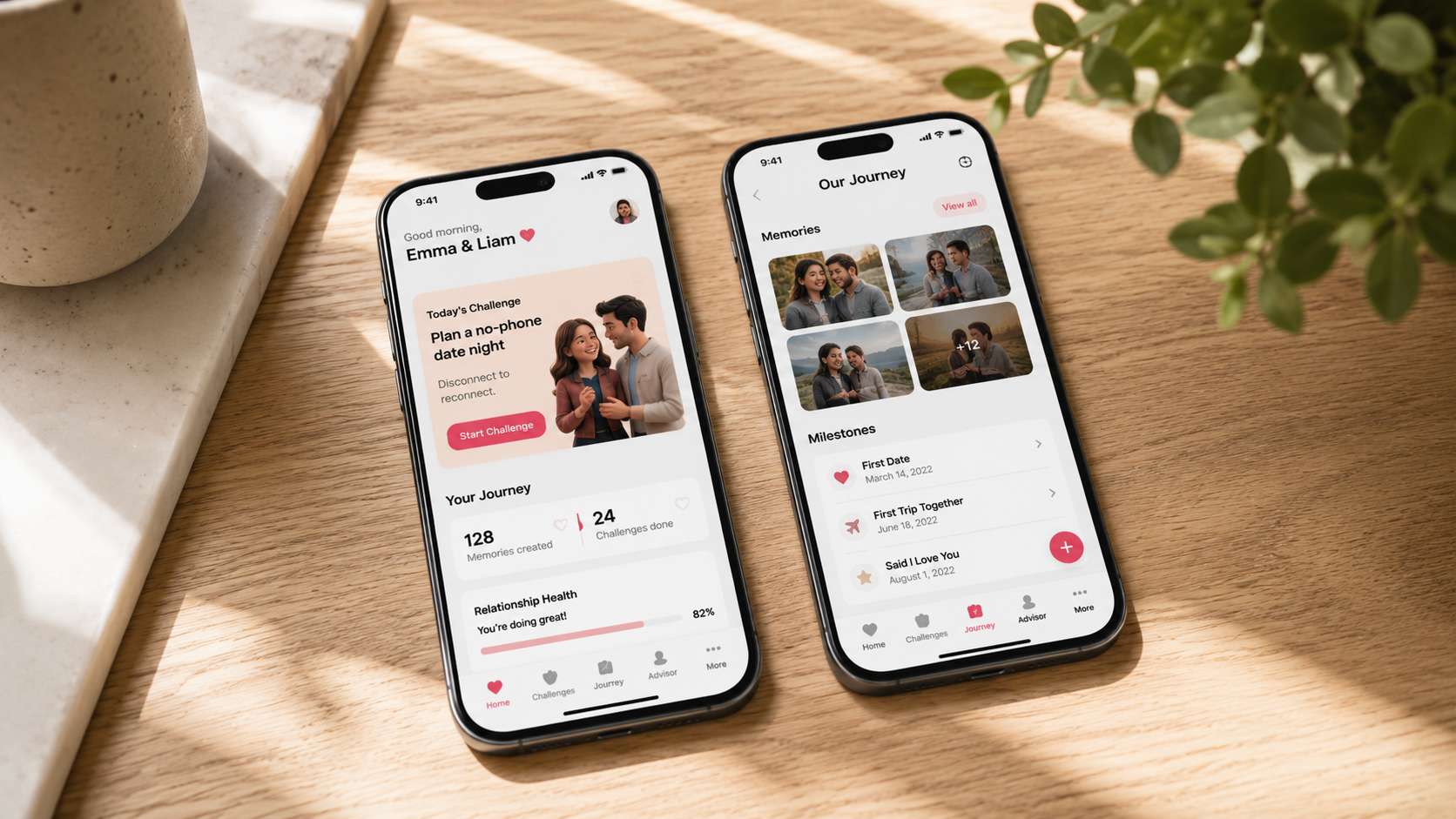
And yes, if talking about this feels awkward, PairPlay: Couple Relationship App is the cheat code. It turns the hard conversations into guided questions and sexy games you can do in bed, on the couch, or during those tiny windows of privacy.
1) Your body is not broken. It is postpartum.

Postpartum recovery is not a vibe. It is biology. Hormones shift fast. Sleep disappears. Your nervous system stays on alert. Your tissues heal. Your identity changes. And all of that hits libido.
Even if you are cleared for sex at the typical postpartum visit, clearance is not the same as desire. It is not even the same as comfort.
Here are the biggest libido crushers (and why they make sense):
- Hormones: After birth, estrogen drops. If you are breastfeeding, estrogen stays lower, which can mean vaginal dryness and lower arousal.
- Sleep deprivation: Desire hates exhaustion. Your brain prioritizes survival, not orgasms.
- Touch overload: If a baby has been on your body all day, you might crave space more than sex.
- Pain or fear of pain: Tears, stitches, pelvic floor tension, scar sensitivity, and dryness can make penetration feel scary.
- Body image and identity shifts: You might not recognize your own reflection, and that can mess with confidence and arousal.
If you want a reliable medical overview of common postpartum sexual changes (including dryness and discomfort), this is a strong resource: ACOG postpartum sexual health.
What is “normal” for postpartum sex drive?
Normal is a wide, wild range. Some couples have sex at 6 weeks. Some at 6 months. Some need a year. Some have a high drive but feel physically tender. Some feel emotionally disconnected. Some want intimacy but not penetration. And some want to be held without it turning into a negotiation.
The better question is: Are we communicating, staying kind, and moving toward reconnection without forcing it?
2) Timing: when sex is “allowed” vs when it is actually good

Medical “OK” often centers around reduced bleeding and basic healing. But good postpartum sex needs more than permission. It needs readiness.
Use these readiness markers as your blunt little checklist:
- Your bleeding (lochia) has stopped or is minimal and your provider has cleared you, especially if you had complications.
- You can tolerate arousal without sharp pain, pulling, or burning.
- You can relax your pelvic floor (tension can make penetration feel like hitting a wall).
- You have enough lubrication (natural or with a high-quality lube).
- You want to try even if you are nervous.
If you are dealing with persistent pain, do not “push through.” Pain trains avoidance, and avoidance trains disconnection. A helpful evidence-based overview of postpartum dyspareunia (pain with sex) is here: Mayo Clinic: sex after pregnancy.
If penetration hurts: treat it like information, not failure
Penetration is not the definition of sex. It is one option. If it hurts, you pivot. You do not “earn” your way back by suffering.
Try a reset night where the only goal is pleasure and closeness:
- Make out like teenagers for 10 minutes.
- Hands and mouths only, no penetration.
- Stop the second pain or panic shows up.
- End with cuddling and praise, not disappointment.
If you need ideas that are genuinely low energy (because new parenthood is a stamina vacuum), steal from Low-Effort Sex Positions for Tired Couples: Stay Connected Without the Gymnastics and adapt them to “no penetration” nights too.
3) Desire mismatch: when one of you is horny and the other is empty
This is where resentment grows in the dark.
One partner is thinking: I miss you. I miss our sex.
And the other is thinking: I miss myself. I do not even know where my desire went.
Neither of you is the villain. But if you handle it badly, you can turn postpartum into a relationship injury.
Here is the rule: Stop treating sex like a transaction and start treating it like a shared project. That means you talk about it when you are not already frustrated.
Try this script (yes, say it out loud):
<blockquote>**Higher-desire partner:** “I miss feeling close to you. I do not want to pressure you. Can we talk about what intimacy could look like this week?”Lower-desire partner: “I want closeness too, but my body feels touched-out and tender. I need you to hear that it is not rejection. Can we plan something that feels safe for me?”
</blockquote>If you need prompts that cut through the awkwardness, **[PairPlay: Couple Relationship App](/get)** gives you guided questions that actually get you somewhere, without turning the conversation into a fight. Want more questions like this? Download PairPlay and let the app hold the structure while you two get honest.Also: postpartum is not just about sex. It is about the relationship foundation. If you feel like you are losing each other in chores and survival mode, reread How to Build a Strong Long-Term Relationship: The Raw, Unglamorous Truth About Lasting Love and bring one idea into this week.
4) Rebuilding intimacy without the “are we having sex tonight?” pressure

You do not need a perfect night. You need a pattern that rebuilds safety and heat.
Think in layers:
- Layer 1: Emotional intimacy (talking, being seen, being appreciated)
- Layer 2: Physical affection (touch with no agenda)
- Layer 3: Erotic touch (arousal, teasing, sensual contact)
- Layer 4: Sex (whatever “sex” means for you right now)
If you skip layers, your body will often say no even if your mind wants yes.
The 10-minute “touch map” exercise
This is simple and stupidly effective:
- Set a timer for 10 minutes.
- One partner touches the other only in places that feel safe and good (shoulders, hair, thighs, back).
- No breasts/genitals unless specifically invited.
- The receiving partner gives real-time feedback: “More pressure,” “Softer,” “Not there.”
- Switch.
You are training your nervous system to associate touch with safety again. That is the doorway back to arousal.
If you want prompts that move from tender to spicy without jumping straight into porn-level expectations, use 30 Deep Questions to Ask Your Partner Tonight: From Vulnerable to Absolutely Spicy and pick just three tonight. Or go deeper with 25 Intimate Questions for Couples to Deepen Emotional Connection when you need closeness more than heat.
5) Pain, dryness, and pelvic floor reality: make sex feel good again
A lot of postpartum sex problems are not desire problems. They are comfort problems.
Common issues:
- Dryness: especially with breastfeeding due to lower estrogen.
- Scar sensitivity: from tearing or episiotomy, or from C-section abdominal tension affecting arousal and comfort.
- Pelvic floor tightness: yes, tight can be a problem, not just weak.
- Low arousal: stress makes it hard to get turned on, which makes penetration more uncomfortable, which makes you want it less.
Practical fixes that actually help:
- Use lube without apology. You are not “failing,” you are adapting. Choose a body-safe product and use more than you think you need.
- Longer warm-up. If you used to need 5 minutes, you might need 20 now. That is not a tragedy. That is a new recipe.
- Positions with control. The receiving partner should control depth and speed. Think side-lying, spooning, or on top.
- Pelvic floor PT. If you have pain, heaviness, leaking, or feel “off,” pelvic floor physical therapy can be a game-changer.
For a clear overview of postpartum pelvic floor symptoms and treatment options, start here: WomensHealth.gov pelvic floor disorders.
And if pain persists beyond a few tries, get professional eyes on it. You deserve pleasure that does not come with a flinch.
6) The mental load is an arousal killer (so make it a team sport)

If one partner is managing feedings, appointments, laundry, family logistics, and the invisible spreadsheet of life, it is hard to feel sexy. Not because they are “uptight,” but because their brain is running 47 tabs.
If you want postpartum sex drive to come back, you do not just “set the mood.” You remove burdens.
Try this weekly check-in (15 minutes, phones down):
- What is draining you most this week?
- What is one task I can fully own (not “help with,” but own)?
- What kind of touch do you want more of?
- What kind of touch do you want less of?
PairPlay: Couple Relationship App makes this easier because it gives you structured prompts when your brain is mush. PairPlay turns these questions into a fun game so you can reconnect without feeling like you are scheduling a business meeting about your sex life.
7) Making it hot again: erotic play for exhausted adults
Postpartum sex does not have to be polite. It can be slow, filthy, sweet, rough, emotional, and deeply intimate. But you have to reintroduce eroticism intentionally.
Start with the kind of desire that fits postpartum reality: responsive desire. That is the type that shows up after you start warming up, not before.
Low-pressure ways to bring heat back:
- Sexting in the same house. Two texts. No pressure. Just a spark.
- Bathroom makeout. Locked door, 3 minutes, hands wandering, then back to life.
- Erotic “yes/no/maybe” lists. Relearn each other with new boundaries and new curiosities.
- Micro-foreplay. A neck kiss while someone makes coffee. A slow butt grab while folding laundry. A whisper: “I want you later.”
If you want a playful, low-effort way to do this without thinking too hard, use Card Games for Couples in the Bedroom: 25 Sexy Ways to Turn a Deck Into Foreplay. It is the kind of fun that does not require a perfect body, a perfect mood, or a perfect night. It just requires you two.
Also, protect your intimacy from becoming all-or-nothing. Some nights the win is an orgasm. Some nights the win is laughing with your mouths on each other. Some nights the win is falling asleep holding hands without anyone feeling rejected.
Conclusion: postpartum intimacy is a rebuild, not a return
Your old sex life might not come back exactly as it was. Good. You are not exactly who you were.
What works now is honesty, patience, and a willingness to redefine sex as more than penetration on a schedule. Track comfort. Respect boundaries. Treat pain as a signal. Share the mental load. Warm up slowly. Keep touch safe. Keep the conversation real.
And if you want a simple, private tool to make the talking and teasing easier, download PairPlay: Couple Relationship App. When you are tired, touched-out, and still craving connection, PairPlay helps you get back to each other one question, one game, one night at a time.
Keep the conversation going.
Download PairPlay for thousands more questions and games.
Related reading
- Low-Effort Sex Positions for Tired Couples: Stay Connected Without the Gymnastics
- How to Build a Strong Long-Term Relationship: The Raw, Unglamorous Truth About Lasting Love
- 30 Deep Questions to Ask Your Partner Tonight: From Vulnerable to Absolutely Spicy
- 25 Intimate Questions for Couples to Deepen Emotional Connection
- Card Games for Couples in the Bedroom: 25 Sexy Ways to Turn a Deck Into Foreplay
Frequently Asked Questions
How long does it take for postpartum sex drive to return?
There is no single timeline. Many people see gradual improvements over months, especially as sleep returns and healing continues. Breastfeeding, stress, and pain can lower desire longer.
Is pain during postpartum sex normal?
Some discomfort can happen early, but sharp or persistent pain is a signal to slow down and get support. Dryness, scar sensitivity, and pelvic floor tension are common and treatable.
What if I want closeness but not penetration?
Then do intimacy without penetration. Kissing, sensual touch, oral, mutual masturbation, and massage are real sex if you both agree. Pressure kills desire; safety builds it.
How do we handle mismatched desire after baby?
Talk outside the bedroom, name feelings without blame, and create a menu of low-pressure options. Focus on shared teamwork and tiny wins, not keeping score.
When should we seek professional help?
Get help for ongoing pain, heavy bleeding, pelvic pressure, leaking, or intense anxiety about sex. If mood is low or panic is high, talk to a provider about postpartum depression or anxiety.
Written by PairPlay Editors
The PairPlay editorial team brings you the best research, tips, and stories to help craft deeper, stronger, and more exciting relationships.
Explore more topics
Keep building topical authority with deep dives by theme.
Keep The Spark Alive Daily
Install PairPlay and turn tonight into your best date night yet.
Get instant access to couple games, spicy prompts, and quick connection rituals built for real life. Open the app, pick a challenge, and reconnect in minutes.