Feel Desired in Your Relationship: The Raw Guide

The Ache of Invisibility: Why You Don't Feel Desired Anymore

Let's be real: there's a specific kind of loneliness that happens when your partner stops looking at you like they want you. It's not about being ignored. It's about being unseen—especially in the ways that matter most. The bedroom becomes a routine. Conversations feel like logistics. And somewhere between the bills, the kids, and the endless scroll, you stopped feeling like the person your partner actually desires.
This isn't a failure. This is what happens when couples drift into autopilot. The good news? It's fixable. And it starts with understanding that feeling desired isn't just about physical attraction—it's about being truly known, genuinely appreciated, and actively pursued.
The Foundation: Vulnerability is the Gateway to Desire
Here's what most relationship advice gets wrong: they tell you to "communicate better" without explaining what that actually means in the bedroom and beyond. Real desire doesn't come from perfection. It comes from raw, unapologetic vulnerability.
Your partner can't desire what they don't truly see. And they can't see you if you're hiding behind walls of "fine" and "everything's okay." When you show your actual self—your insecurities, your fantasies, your genuine needs—something shifts. Suddenly, you're not performing a relationship. You're living one.
Start here: Tell your partner one thing you've been afraid to admit. It could be about your body, your desires, your fears, or your dreams. Watch what happens when you let yourself be that exposed. That's where desire is born.
Physical Touch: The Language Your Body Speaks

Desire lives in the body before it lives anywhere else. Yet most couples touch each other less and less as time goes on. A quick kiss goodbye. A hand on the shoulder. Nothing intentional. Nothing that says I want you.
Here's what changes everything: deliberate, frequent, non-sexual touch. This isn't foreplay. This is the foundation. Holding hands while you talk. Running your fingers through their hair. Kissing their neck while you're cooking. Massaging their shoulders without expecting it to lead anywhere.
This kind of touch does something neurological. It releases oxytocin. It builds intimacy. And it creates the conditions where sexual desire can actually flourish. When your partner knows you touch them because you want to—not because you're trying to initiate sex—they feel the difference. They feel desired. And they start to desire you back.
Then, when you do move into the bedroom, it's not starting from zero. It's the continuation of something that's been building all day.
The Conversation That Changes Everything
Most couples have never actually talked about desire. They've talked about sex, sure. But not about what makes them feel wanted, what turns them on, what they've been fantasizing about, or what they're too embarrassed to ask for.
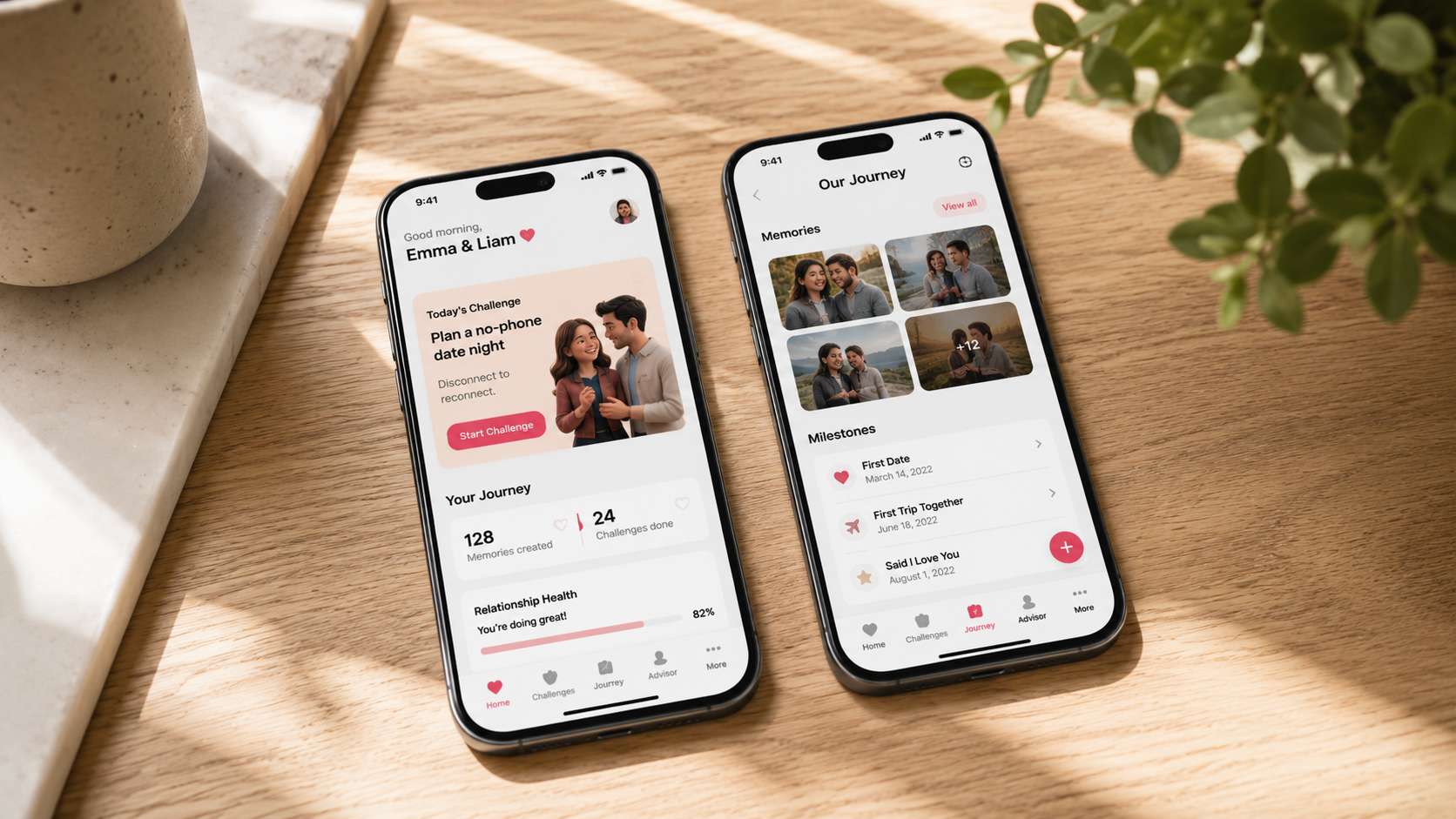
This is where PairPlay: Couple Relationship App becomes your secret weapon. Instead of trying to have these conversations from scratch—which is awkward as hell—PairPlay gives you a structured way to explore deeper questions together. The app turns vulnerability into a game, which somehow makes it easier to go there.
But whether you use an app or not, here's what matters: Ask specific questions. Not "Do you feel desired?" but "What's one thing I could do more often that would make you feel wanted?" or "What's a fantasy you've never told me about?" or "When do you feel most attracted to me?"
If you want to dive deeper with more questions designed specifically for couples, check out these 50 This or That Questions for Couples—they get spicy, deep, and hilarious all at once. Many couples find that playing through questions together opens doors they didn't even know were closed.
Desire is a Choice: Active Pursuit Over Passive Hope

Here's the uncomfortable truth: desire doesn't just happen. It's something you choose to cultivate. It requires effort, intention, and a willingness to be the one who initiates—even when you're scared of rejection.
Feeling desired isn't about waiting for your partner to make the first move. It's about both of you showing up as people who actively want each other. That means:
-
Initiating sex: Not waiting to be asked. Not hoping they'll notice you're in the mood. Actually saying "I want you" and meaning it.
-
Creating anticipation: A text during the day that hints at what you're thinking about. Getting ready in a way that feels good to you. Making time and protecting it fiercely.
-
Showing genuine interest in their body and pleasure: Asking what feels good. Trying new things. Being present instead of going through motions.
-
Being the person who pursues: Yes, even if you're not the "pursuer" by nature. Your partner needs to feel wanted too.
For deeper insights on how to show your partner they're desired, read our guide on how to make your partner feel desired—it covers the psychology and the practical moves that actually work.
Connection Beyond the Bedroom
Here's what kills desire faster than anything else: feeling like your partner doesn't actually know you or care about your inner world. Desire needs emotional intimacy as its foundation.
This means:
-
Asking real questions: Not "How was your day?" but "What's something you've been thinking about lately?" or "What scared you this week?"
-
Actually listening: Without planning your response or checking your phone. Real presence.
-
Remembering details: The things they care about. Their dreams. Their fears. Their favorite ways to be touched.
-
Showing up for their life: Not just the big moments, but the small ones. The random Tuesday when they're stressed. The moment they need someone to believe in them.
Emotional connection is the aphrodisiac that actually works. When your partner knows you truly see them and care about their world, they feel safe. And when they feel safe, they can be vulnerable. And when they're vulnerable, desire flows naturally.
Want to strengthen this connection with intentional activities? Explore couple bucket list ideas that build stronger bonds—doing new things together is one of the fastest ways to rebuild that sense of partnership and mutual desire.
The Physical Side: Understanding What Actually Turns Your Partner On

Most couples make assumptions about what their partner wants sexually without ever asking. She thinks he wants one thing. He thinks she wants another. And nobody's actually getting what they need.
Real desire comes from understanding what actually turns your partner on—not what you think should turn them on. This might mean:
-
Exploring foreplay differently: Better foreplay creates stronger connection—and it's not just about technique. It's about presence, intention, and actually paying attention to what makes your partner respond.
-
Understanding their specific needs: If you're with a man, understanding male sexual needs in relationships goes way deeper than what most people realize. It's not just about frequency—it's about feeling wanted, admired, and pursued.
-
Being willing to explore: The things that create desire are often things you haven't tried yet. That doesn't mean doing anything that doesn't feel right for you. It means being open to the conversation.
This is where PairPlay: Couple Relationship App really shines. Instead of awkwardly asking "What do you want in bed?" you can explore through questions and games that make it feel natural and even fun. The app guides you through conversations that would otherwise feel forced or scary.
The Daily Practice: Small Moves That Rebuild Desire
Desire isn't rebuilt through grand gestures. It's rebuilt through consistency. Here's what actually works:
-
Eye contact: Real, sustained eye contact while you're talking. While you're touching. While you're being intimate. It's terrifying and powerful.
-
Compliments that go deeper: Not just "You look hot." But "I love how confident you are" or "The way you think turns me on."
-
Making time: Not "someday when things calm down." Now. This week. Protected time where it's just you two.
-
Being present with your own body: Feel good in your own skin. Move with intention. Your partner will feel the difference.
-
Asking for what you want: Directly. Without shame. "I want you to kiss me like you mean it." "I want you to spend more time on this." Specificity is sexy.
Conclusion: Desire is a Language You Speak Together
Feeling desired again isn't about becoming someone else or doing something extreme. It's about showing up authentically, being willing to be vulnerable, and choosing your partner over and over again. It's about touching them intentionally. Asking them real questions. And creating the conditions where genuine desire can flourish.
Start this week. Pick one thing from this guide and actually do it. Have one real conversation. Initiate touch without an agenda. Ask a question you've been afraid to ask. Watch how your partner responds when they feel genuinely seen and wanted.
The desire you're looking for isn't lost. It's just been buried under routine and fear. And it's absolutely recoverable.
Keep the conversation going.
Download PairPlay for thousands more questions and games designed to deepen connection and rebuild desire in your relationship.
Related reading
Frequently Asked Questions
How long does it take to feel desired again in a relationship?
It depends on how disconnected you've become, but most couples notice a shift within 2-4 weeks of consistent effort. The key is consistency—small daily actions matter more than occasional grand gestures. If you're both committed to rebuilding that connection, change happens faster than you'd expect.
What if my partner doesn't seem interested in feeling more connected?
This is harder, but it's still worth exploring. Sometimes partners pull back because they're hurt, scared, or have given up hope. Start with vulnerability—tell them specifically what you're missing and why it matters to you. If they're still resistant, couples therapy can help both of you get to the root of the disconnect. Desire requires willingness from both sides.
Is it normal to feel less desire after years together?
Absolutely. The intensity of early-relationship desire naturally shifts over time. But that doesn't mean desire has to disappear. It just transforms into something deeper—one that's built on genuine knowledge of each other rather than novelty. The couples who maintain desire long-term are the ones who actively choose to keep pursuing each other.
How do I talk about sexual desires without it being awkward?
Awkwardness is temporary. The real awkwardness is years of unfulfilled desires and unspoken needs. Start small—ask one question in a vulnerable moment. Use apps like PairPlay that make these conversations feel more like a game than an interrogation. Or read erotica together and talk about what turns you on. There are a hundred ways in; pick one and start.
Can desire come back after a long period of disconnection?
Yes, but it requires both partners to be willing. Desire dies in silence and distance. It comes back through vulnerability, intentional touch, real conversation, and consistent effort. If you're both willing to show up, even after years of disconnection, you can rebuild something even stronger than what you had before.
Written by PairPlay Editors
The PairPlay editorial team brings you the best research, tips, and stories to help craft deeper, stronger, and more exciting relationships.
Explore more topics
Keep building topical authority with deep dives by theme.
Keep The Spark Alive Daily
Install PairPlay and turn tonight into your best date night yet.
Get instant access to couple games, spicy prompts, and quick connection rituals built for real life. Open the app, pick a challenge, and reconnect in minutes.