Feel Connected During Intimacy: The Raw Guide

The Disconnect That Nobody Talks About

You're inside your partner. Your bodies are moving together. Everything should feel incredible, right? But something's missing. That hollow feeling during sex—that's the disconnect. You're physically close but emotionally miles apart. It's one of the most common complaints couples never actually voice out loud.
The truth? Most people mistake physical proximity for actual intimacy. They think if you're fucking, you're connected. Wrong. True intimacy during sex requires vulnerability, presence, and intentional communication. It requires you to show up emotionally, not just physically.
This guide cuts through the noise and gives you the real strategies to feel genuinely connected during intimacy—the kind of connection that makes sex feel sacred instead of routine.
Why Connection During Intimacy Actually Matters
When you feel truly connected during sex, everything shifts. Your orgasms feel deeper. Your vulnerability feels safer. You're not performing; you're merging. Studies show couples who report high emotional connection during sex have stronger relationships overall, better communication, and—let's be honest—way better sex.
Connection transforms sex from a physical release into an emotional experience. It's the difference between scratching an itch and feeling truly seen by another human being while you're at your most exposed.
But here's what most people get wrong: they think connection happens naturally. It doesn't. It requires intention. It requires you to actually work for it. And if you're not sure where to start, learning how to make your partner feel desired is the perfect foundation.
1. Master the Art of Eye Contact (Yes, Really)

Eye contact during sex is terrifying. It's also one of the most powerful tools for connection you have.
When you maintain eye contact with your partner during intimacy, you're not hiding. You're not retreating into your own pleasure. You're saying: "I see you. I'm here with you. This matters." Eye contact activates the parasympathetic nervous system—the "rest and digest" mode—which actually helps you feel safer and more connected.
Start slow. You don't have to maintain eye contact the entire time (though some couples find that incredibly powerful). Try holding their gaze for 30 seconds at a time. Notice what comes up. Vulnerability? Arousal? Tenderness? All of it is connection.
Pro tip: If eye contact feels too intense, try this: maintain eye contact during foreplay and during the moments right before and after orgasm. These are the most emotionally charged moments anyway.
2. Sync Your Breathing—It's Not Woo, It's Neuroscience
Your breathing is directly connected to your nervous system. When you sync your breathing with your partner, you're literally synchronizing your nervous systems. You're moving into the same emotional and physical state.
Here's how to do it:
- Before you start: Sit facing each other. Take 5-10 deep breaths together. Inhale for 4 counts, hold for 4, exhale for 4. This gets you both into a calm, present state.
- During foreplay: As things heat up, try to maintain that synchronized breathing. You'll notice your arousal building together rather than separately.
- During penetration: This is where it gets powerful. Slow down. Match each other's breath. Inhale together, exhale together. It sounds simple, but it transforms the entire experience. You stop rushing toward the finish line and start actually being present.
Synchronized breathing creates a feedback loop of intimacy. You're not just physically connected; you're energetically aligned.
3. Verbal Intimacy: The Words That Actually Matter
Most couples don't talk during sex. They grunt, moan, and stay silent. But what if you actually spoke to your partner?
Verbal intimacy during sex doesn't mean dirty talk (though that can be hot). It means real communication. It means saying things like:
- "I feel so close to you right now."
- "I love how you make me feel."
- "Stay with me."
- "I'm here."
- "You feel incredible."
These aren't performance statements. They're presence statements. They're you showing up emotionally while you're showing up physically.
The vulnerability of speaking during sex is profound. Most people are terrified to say anything real. But when you do, your partner hears not just the words but the rawness behind them. That's connection.
Want to explore what kind of verbal intimacy resonates with you both? The 21-Day Relationship Challenge to Reconnect includes intimate conversation starters designed specifically for couples looking to deepen their emotional bond.
4. Touch Beyond the Obvious

Most couples default to the same touch patterns during sex. Hand on breast. Hand on ass. Same rhythm. Same pressure. Same everything.
But connection lives in novelty and attentiveness. It lives in noticing.
Try this: slow everything down. Use different types of touch. Light fingertip tracing on their arm. Gentle stroking of their hair. Cupping their face. Holding their hand. Kissing their forehead, their neck, their shoulder.
The most connecting touches are often the non-sexual ones. They communicate care, tenderness, and presence. They say: "I'm not just here for the orgasm. I'm here for you."
The power move: Before you have sex, spend 10 minutes just touching each other without any goal of arousal. Explore your partner's body like you're discovering it for the first time. Notice textures, temperature, response. This primes your nervous system for genuine connection.
5. Vulnerability: The Secret Ingredient Nobody Wants to Admit
Real connection requires real vulnerability. And vulnerability during sex means letting your partner see you—all of you. Not just the confident version. The insecure version. The needy version. The version that actually cares.
This might mean:
- Telling your partner what you actually need instead of performing what you think they want
- Admitting when something doesn't feel good instead of faking it
- Letting them see you cry after sex if that's what comes up
- Asking for reassurance
- Saying "I'm scared" or "I feel disconnected"
Vulnerability is the bridge between physical and emotional intimacy. Without it, sex remains surface-level.
If you're struggling with deeper issues around vulnerability or sexual connection, understanding sexual problems in relationships might provide the framework you need to address what's really going on.
6. Presence Over Performance

The biggest intimacy killer? Performance anxiety. Thinking about how you look. Worrying about lasting long enough. Wondering if your partner is enjoying it. All of that pulls you out of presence.
Connection requires you to stop performing and start being.
This means:
- Stop watching yourself: You're not in a porn scene. You're in your bedroom with someone you care about. Let go of the visual narrative in your head.
- Stop timing yourself: There's no finish line. Sex isn't about duration; it's about quality of connection.
- Stop comparing: Your sex life doesn't need to look like anyone else's. It needs to feel authentic to you and your partner.
- Stop checking out: If you notice your mind drifting to your to-do list or your insecurities, gently bring it back. "I'm here. I'm present. I'm with you."
Presence is the antidote to disconnection. And presence is a practice, not a destination.
7. The Post-Sex Moment: Where Connection Actually Deepens
Most couples roll over after sex and go to sleep or check their phones. Huge mistake.
The moments immediately after sex are some of the most emotionally significant of the entire experience. Your nervous system is still activated. Your defenses are still down. Your oxytocin is still elevated. This is prime time for connection.
Instead of rushing away, try this:
- Stay close. Keep touching. Let your bodies stay intertwined for a few minutes.
- Talk. Not about logistics or tomorrow. About how you feel. About what you felt during.
- Express gratitude. "Thank you for being so present with me." "I felt so connected to you."
- Make eye contact. Again. Especially now.
The afterglow isn't just a nice bonus. It's where the real bonding happens. It's where sex transforms from a physical act into an emotional memory.
Building Connection as an Ongoing Practice
Connection during intimacy isn't something you achieve once and then maintain. It's something you practice, refine, and deepen over time.
Every time you have sex, you have an opportunity to go deeper. To be more vulnerable. To be more present. To see your partner more clearly.
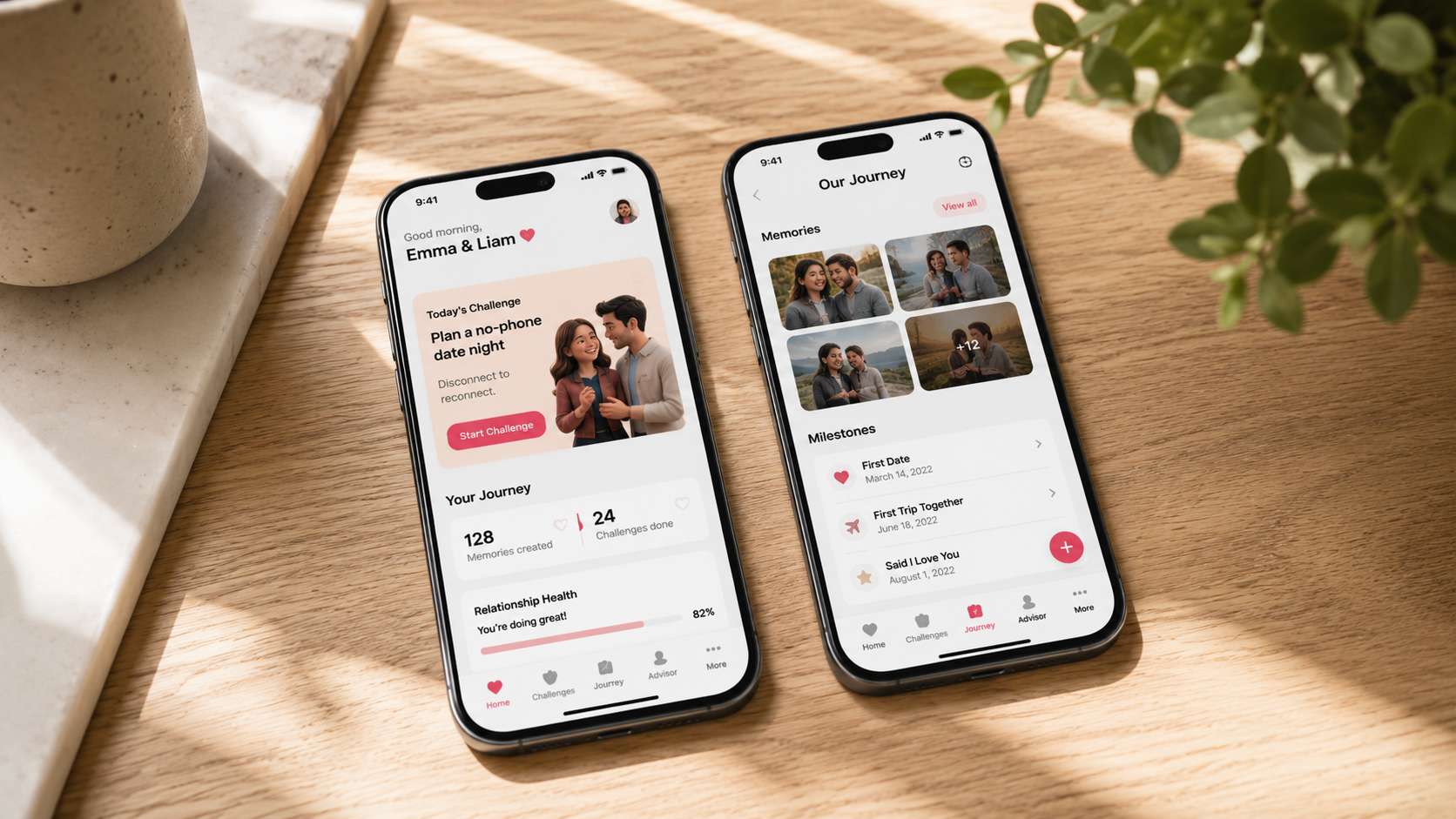
If you want structured ways to explore this with your partner, understanding male sexual needs in relationships and the corresponding guides for different relationship dynamics can provide valuable context. But here's the real talk: PairPlay turns these abstract concepts into actual conversations and games you can play together. Want more questions like this? Download PairPlay and get thousands of intimate conversation starters designed to deepen your connection.
The couples who report the deepest intimacy aren't the ones with the most adventurous sex lives. They're the ones who show up emotionally. They're the ones who ask real questions. They're the ones who stay curious about their partner.
Connection is available to you right now. It doesn't require anything special. Just presence. Just vulnerability. Just you, actually showing up.
Conclusion: Connection Is the Ultimate Intimacy
Feeling connected during intimacy isn't about technique. It's not about positions or duration or any of the surface-level stuff. It's about showing up emotionally while you're showing up physically. It's about vulnerability, presence, and genuine curiosity about your partner.
Start with one of these strategies. Master eye contact. Sync your breathing. Speak real words. Touch with intention. Let yourself be vulnerable. Be present. Honor the afterglow.
Each one of these practices will deepen your connection. And deeper connection means better sex, stronger relationships, and a sense of being truly seen by the person you're intimate with.
If you're looking to take this deeper and explore new dimensions of intimacy with your partner, rebuilding physical intimacy after a dry spell offers specific strategies for couples working through disconnection. And PairPlay makes all of this easier by providing guided conversations and intimate games designed specifically for couples who want to feel more connected.
The connection you're craving is possible. It starts now.
Ready to deepen your connection?
PairPlay provides hundreds of intimate conversation starters and games designed to help couples feel more connected. Turn these strategies into real conversations.
Related reading
Frequently Asked Questions
What if eye contact during sex feels too vulnerable?
Start small. You don't have to maintain eye contact the entire time. Try holding your partner's gaze for just 10-30 seconds during foreplay or right before orgasm. Vulnerability is a skill you build, not something you force. If it feels too intense, communicate that with your partner and work up to it gradually. The fact that it feels vulnerable is actually a sign you're touching something real.
Can you feel connected during sex if you're not in love?
Yes, but it requires intentionality and honesty. Connection during sex is about presence, vulnerability, and genuine care—not necessarily romantic love. Casual partners can absolutely experience deep connection if both people show up emotionally. The key is that both partners are choosing to be present and vulnerable in that moment.
What if my partner doesn't want to talk during sex?
That's valid. Not everyone is comfortable with verbal intimacy during sex, and that's okay. Start with non-verbal communication: eye contact, synchronized breathing, intentional touch. Build comfort gradually. Have a conversation outside of sex about what kind of communication feels right for both of you. PairPlay can help facilitate this conversation with guided prompts designed for exactly this kind of discussion.
How long does it take to feel more connected during intimacy?
You can feel a shift immediately if you're intentional. The first time you maintain eye contact or sync your breathing, you'll likely notice something different. But deepening connection is an ongoing practice. Most couples report significant shifts within 2-4 weeks of consistently implementing these strategies. The key is consistency and genuine commitment to presence.
What if we've been disconnected for a long time?
Reconnection is absolutely possible, but it requires patience and vulnerability from both partners. Start with the easiest strategy for you (maybe synchronized breathing) and build from there. Have honest conversations about what's created the disconnection. Consider using tools like PairPlay that provide structured conversations to help you rebuild intimacy without the pressure of figuring it out alone.
Written by PairPlay Editors
The PairPlay editorial team brings you the best research, tips, and stories to help craft deeper, stronger, and more exciting relationships.
Explore more topics
Keep building topical authority with deep dives by theme.
Keep The Spark Alive Daily
Install PairPlay and turn tonight into your best date night yet.
Get instant access to couple games, spicy prompts, and quick connection rituals built for real life. Open the app, pick a challenge, and reconnect in minutes.