Emotional Safety Before Intimacy: The Raw Guide

The Uncomfortable Truth About Emotional Safety and Desire

Let's be real: you can't fuck someone you don't trust. Not truly. Not in the way that matters.
You might have physical sex—sure. Bodies can perform without hearts being present. But that raw, uninhibited, soul-level intimacy? The kind where you lose yourself completely? That only happens when emotional safety exists first.
Most couples skip this step. They jump straight to the physical, wondering why the sex feels empty or why one partner holds back. The answer is always the same: there's no emotional safety yet. No real trust. Just two people going through motions.
Creating emotional safety before physical intimacy is the difference between having sex and making love. Between routine and passion. Between staying together and actually wanting to stay together.
This guide breaks down exactly how to build that foundation—no bullshit, no fluff. Just the raw mechanics of vulnerability that turn good relationships into unforgettable ones.
What Emotional Safety Actually Means (And Why It's Sexier Than You Think)
Emotional safety isn't about being "nice" to each other. It's not about avoiding conflict or pretending everything's fine.
Emotional safety is the certainty that you can be completely honest—about your desires, your fears, your weird fantasies, your insecurities—without judgment, rejection, or weaponization.
When you have emotional safety, you can say:
-
"I'm scared of being vulnerable with you" without worrying they'll use it against you later.
-
"I want to try something different in bed" without fear of humiliation.
-
"I don't feel desired right now" without triggering defensiveness.
-
"I need to go slower" without guilt or pressure.
This is what turns partners into confidants. What makes rough sex feel intimate instead of violent. What makes vulnerability feel like strength instead of weakness.
And yes—it's incredibly sexy. Because desire thrives in safety. Your nervous system can't be turned on when it's in protection mode.
The Foundation: Radical Honesty About Your Own Shit

You can't create emotional safety with someone else until you're honest with yourself first.
This means getting clear on:
-
Your wounds: What past experiences make you guard your heart? What rejections still sting? What betrayals make you hesitant to trust?
-
Your patterns: Do you withdraw when things get intense? Do you attack when you feel threatened? Do you people-please to avoid conflict? Do you shut down sexually when emotionally disconnected?
-
Your real desires: Not what you think you should want. What you actually want. The fantasies you've never voiced. The touch that makes you lose your mind. The words that make you weak.
-
Your non-negotiables: What do you absolutely need from a partner to feel safe? What behaviors are dealbreakers? What makes you feel valued versus used?
The more honest you are with yourself, the safer you can be with your partner. Because you're not projecting your insecurities onto them. You're not expecting them to read your mind. You're not punishing them for wounds they didn't cause.
Self-awareness is the first brick in the emotional safety foundation.
Vulnerability: The Scariest, Sexiest Thing You Can Do
Vulnerability is the only path to emotional safety. And it has to go first.
This doesn't mean crying on their shoulder (though sometimes it does). It means:
-
Admitting what you're afraid of: "I'm scared you'll leave me if I'm not perfect in bed." "I'm terrified you don't actually want me." "I'm worried I'm not enough."
-
Asking for what you need: "I need you to tell me you desire me." "I need reassurance that this is safe." "I need to know you're choosing me."
-
Sharing your desires without apology: Not asking permission. Not downplaying what you want. Just stating it clearly: "I want you to take control." "I want to be worshipped." "I want to explore this together."
-
Being present with your emotions: Not suppressing anger, sadness, or anxiety. Letting your partner see you feel things. Trusting them with your raw humanity.
Here's the paradox: when you're vulnerable first, your partner feels safer being vulnerable with you. It's contagious. Emotional safety spreads through mutual exposure.
And yes—this vulnerability is the hottest thing in a bedroom. Because someone who sees you completely and still desires you? That's not just sex. That's worship.
Communication That Actually Works: The Dirty Details

Emotional safety requires communication that goes beyond "How was your day?"
You need conversations that dig into the real stuff:
The Safety Conversation
Before physical intimacy gets serious, have an explicit conversation about safety. Not just physical safety (though that matters). Emotional safety.
-
"What makes you feel unsafe in our relationship?" Listen without defending.
-
"What do you need from me to feel completely safe with me?" Take notes. Actually do these things.
-
"Are there boundaries we need to establish?" Around frequency, types of touch, what's off-limits, what needs discussion first.
-
"How do you want to be treated during intimacy?" Rough or gentle? Verbal or silent? Dominant or submissive? Playful or intense?
-
"What's a dealbreaker for you?" What would make you feel unsafe or violated? Get specific.
This conversation is unsexy in the moment. It's also the most important foreplay you'll ever have.
The Desire Conversation
Most couples never actually talk about what they want sexually. They hint. They hope. They get disappointed.
Instead, get explicit:
-
"What do you fantasize about?" Not asking them to do it. Just asking what turns them on.
-
"What have you always wanted to try?" Create space for the weird, the kinky, the things they've been too shy to mention.
-
"What makes you feel most desired?" Is it specific words? Certain touches? Attention? Aggression? Tenderness?
-
"What turns you off?" What kills the mood? What makes you feel disconnected? What's a hard no?
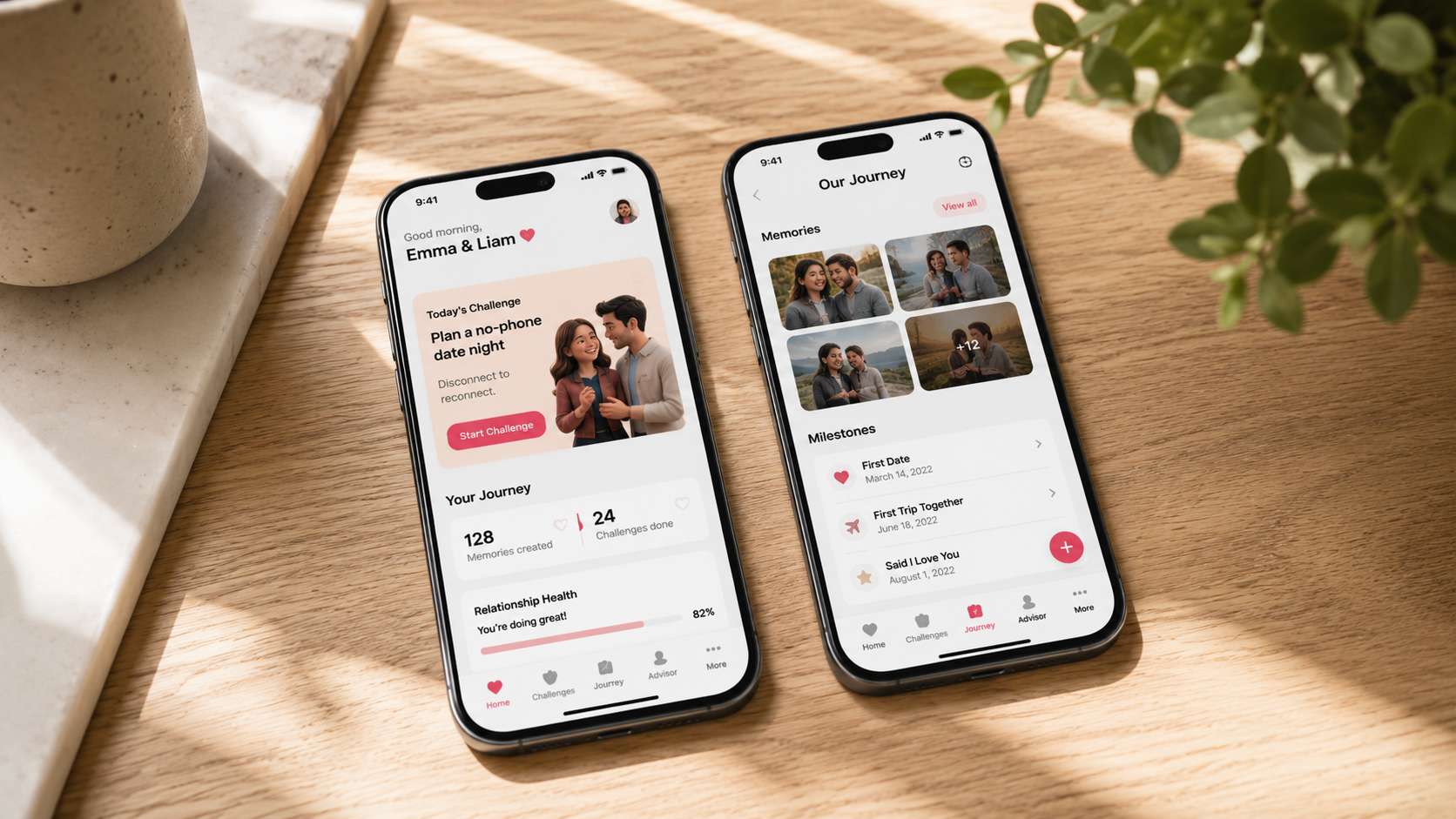
Want to make these conversations easier and actually fun? Download PairPlay: Couple Relationship App. It turns these vulnerable questions into games, removing the awkwardness and making it feel natural to explore each other's desires without shame.
The Practice: Building Trust Through Consistency and Follow-Through
Emotional safety isn't built in one conversation. It's built through repeated proof that your partner is trustworthy.
This means:
-
Doing what you say you'll do: If you promise to be gentler, be gentler. If you commit to checking in, check in. If you say you won't judge, don't judge. Trust is built on consistency.
-
Never weaponizing vulnerability: If your partner shares a fear or fantasy, never use it against them in an argument. Never mock it. Never bring it up to hurt them. That's the fastest way to destroy emotional safety.
-
Responding with curiosity, not criticism: When your partner shares something vulnerable, your job is to understand it, not fix it or judge it. "Tell me more about that." "What does that feel like for you?" "How can I support you with this?"
-
Holding space for difficult emotions: Sometimes intimacy triggers fear, sadness, or old wounds. Your partner might cry during sex or need to stop suddenly. This isn't failure. This is trust. Hold them. Don't make it weird.
-
Celebrating their courage: Every time your partner gets vulnerable, acknowledge it. "I'm so grateful you told me that." "That took courage." "I feel closer to you now."
This consistent, trustworthy behavior is what actually creates safety. Not promises. Not intentions. Actions.
The Physical Expression: When Emotional Safety Meets Your Body

Once emotional safety exists, physical intimacy becomes a language for all the things you've been honest about.
The rough sex becomes an expression of trust, not aggression. The slow, tender touch becomes worship, not obligation. The vulnerability becomes power.
This is where you can actually explore. Try that fantasy you mentioned. Use those words that make them weak. Take control. Surrender completely. Push boundaries safely because you've already established what's safe.
And if something doesn't work? If a boundary gets crossed? You can say it immediately because you've built a relationship where honesty is safe.
For more guidance on translating emotional connection into physical intimacy, check out our guide on how to make sex more romantic and meaningful. It digs deeper into the physical practices that deepen emotional connection.
The Maintenance: Keeping Emotional Safety Alive
Emotional safety isn't a one-time achievement. It's a practice.
Long-term couples often let it slip. You get comfortable. You stop having the hard conversations. You assume you know what your partner wants. You stop being vulnerable.
Then suddenly the sex feels empty again. The intimacy feels distant. And you don't know why.
Keep emotional safety alive by:
-
Regularly checking in: "How are you feeling about us?" "Is there anything we need to talk about?" "Do you feel safe with me?"
-
Continuing to be vulnerable: Don't stop sharing your fears, your desires, your insecurities. Keep letting them see you.
-
Staying curious about your partner: People change. Desires evolve. What turned them on five years ago might be different now. Keep asking. Keep learning.
-
Addressing problems immediately: Don't let resentment build. Don't let boundaries get crossed repeatedly. Address it while it's small.
-
Making it a game: PairPlay turns relationship maintenance into something fun. Use the app to ask each other questions, play connection games, and keep the vulnerability and curiosity alive without it feeling like work.
The couples who stay connected aren't the ones who have it figured out. They're the ones who keep showing up, being honest, and choosing vulnerability.
Real Talk: What Emotional Safety Isn't
Before we wrap up, let's be clear about what emotional safety is NOT:
-
It's not avoiding conflict. Healthy relationships have conflict. Emotional safety means you can have it without fear of abandonment or cruelty.
-
It's not about being perfect. You'll mess up. You'll say the wrong thing. You'll hurt each other sometimes. Safety means you can apologize and be forgiven.
-
It's not codependency. You're not responsible for your partner's emotions. You can't fix them. You can only be honest and supportive.
-
It's not staying in a bad relationship. If your partner is abusive, manipulative, or consistently violates your boundaries, that's not a safety issue to solve. That's a reason to leave.
-
It's not about reading their mind. You can't know what they need without them telling you. Emotional safety requires communication, not telepathy.
Conclusion: The Foundation of Everything
Emotional safety before physical intimacy isn't optional. It's the foundation of sex that matters.
It's the difference between going through the motions and actually connecting. Between performing and being present. Between staying together and wanting to stay together.
Building it requires vulnerability, honesty, consistency, and communication. It requires you to get uncomfortable. To ask hard questions. To admit what you're afraid of. To share what you really want.
But when you do? When you've built that foundation? The intimacy that follows is unlike anything else. It's raw and real and deeply, intensely satisfying.
Start today. Have one honest conversation. Share one vulnerable thing. Ask one real question. Then keep going.
Your sex life—and your relationship—will transform.
For more ways to deepen connection with your partner, explore our 21-day relationship challenge to reconnect or dive into how to talk about sex with your partner comfortably. Both guides complement the emotional safety work you're doing.
Ready to Deepen Your Connection?
If you're serious about building emotional safety and reigniting intimacy, explore more resources: understanding female sexual needs in relationships offers perspective on desire, and 30 playful questions to make your partner laugh provides fun ways to stay curious about each other.
Keep the conversation going.
Download PairPlay for thousands more questions and games to deepen emotional connection and keep the vulnerability alive.
Related reading
Frequently Asked Questions
What if my partner isn't ready to be vulnerable?
You can't force vulnerability. But you can model it. Be vulnerable first. Share what you're afraid of. Ask what you need. Show that it's safe. Often, when one partner opens up, the other follows. If they consistently refuse to engage in emotional intimacy, that's important information about whether this relationship can meet your needs.
How long does it take to build emotional safety?
It depends on your history and wounds. Some couples build it in weeks. Others take months or years. The key is consistency. Every vulnerable conversation, every kept promise, every time you don't weaponize their honesty—that builds safety. It's not about speed. It's about showing up repeatedly.
Can emotional safety exist without physical intimacy?
Absolutely. You can have deep emotional safety with friends, family, therapists. But in romantic relationships, emotional safety usually leads to physical intimacy because desire thrives in safety. That said, some couples have emotional safety but low physical desire, and that's okay if both partners are satisfied.
What if we've been together for years and lost emotional safety?
It can be rebuilt. It's harder than building it from scratch because you have to undo old patterns and hurts. But it's possible. Start by acknowledging what broke the safety. Be honest about how you contributed. Make amends. Then slowly rebuild through vulnerability and consistency. A couples therapist can help accelerate this process.
What if my partner violates emotional safety after we've established it?
Address it immediately. Don't let it slide. Say clearly: "When you did X, I felt unsafe because..." Give them a chance to understand and correct. If it's a pattern, that's a bigger issue that might require therapy or a serious conversation about whether the relationship is working.
Written by PairPlay Editors
The PairPlay editorial team brings you the best research, tips, and stories to help craft deeper, stronger, and more exciting relationships.
Explore more topics
Keep building topical authority with deep dives by theme.
Keep The Spark Alive Daily
Install PairPlay and turn tonight into your best date night yet.
Get instant access to couple games, spicy prompts, and quick connection rituals built for real life. Open the app, pick a challenge, and reconnect in minutes.