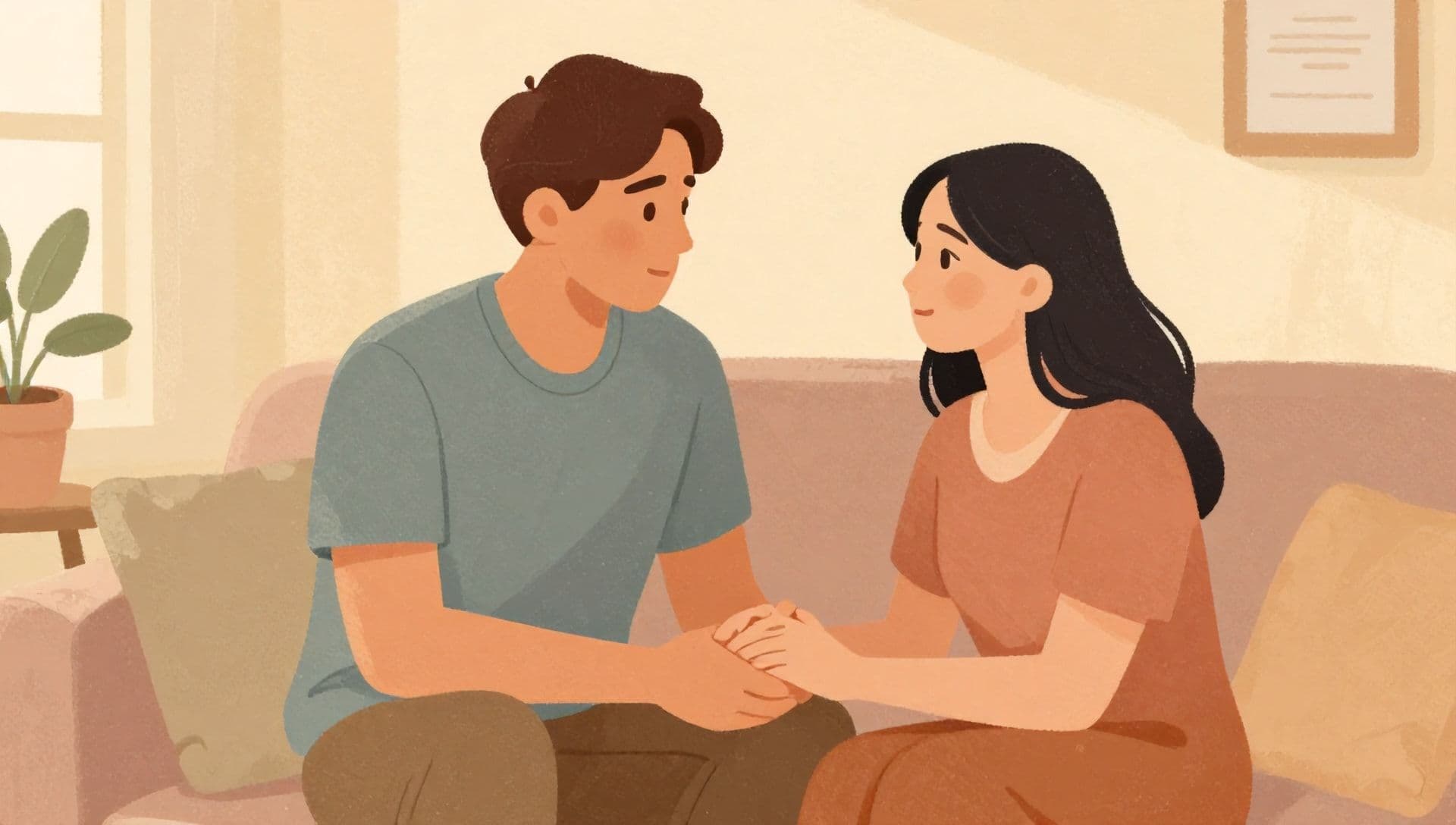
Emotional Disconnect: Why Couples Drift Apart and How to Fix It

There's a particular kind of loneliness that comes from sleeping next to someone who feels like a stranger. Your body is inches from theirs, but emotionally? You might as well be on different continents. This isn't just "being in a rut." This is emotional disconnect, and it's quietly dismantling relationships faster than any affair ever could.
The brutal truth? Most couples don't even realize it's happening until they're already living parallel lives. You stop sharing the small stuff—the funny thing you saw on your commute, the thought that kept you up at night, the fantasy you've been too afraid to voice. And once that door closes, everything else starts to crumble. The conversations become transactional. The physical touch becomes obligatory. And that thing you used to have? It becomes a ghost neither of you know how to resurrect.
But here's what they don't tell you: emotional disconnect isn't a death sentence. It's a warning. And whether you choose to ignore it or finally address it head-on is the difference between a relationship that survives and one that becomes just another statistic.
What Exactly Is Emotional Disconnect?

Emotional disconnect is that hollow feeling when your partner's joys, fears, and struggles no longer feel like yours. It's the invisible wall that goes up during conversations, the silence that fills the spaces where intimacy used to live. Psychologically, it's a state where emotional attunement—the ability to sense and respond to your partner's inner world—has broken down completely.
When you're emotionally connected, your nervous systems sync. You feel their stress in your chest. You celebrate their wins as if they were your own. But when emotional disconnect sets in, that synchronization frays. You might as well be two ships passing in the night, each carrying cargo the other never sees.
This isn't about loving each other less. It's about the pathways that used to transmit love—the conversations, the touch, the knowing glances—getting clogged by resentment, unresolved conflict, or simply the exhausting demands of adult life. And once those pathways close, intimacy doesn't just decrease; it starts to feel dangerous. Vulnerability becomes a threat. And when you can't be vulnerable with your partner, you're not really partners at all.
The 5 Signs Your Relationship Is Suffering From Emotional Disconnect

You don't need a degree in psychology to recognize the signs. Most of them are painfully obvious once you're willing to see them.
Sign One: Conversations become surface-level. You discuss logistics—who's picking up the kids, what's for dinner, whether the mortgage got paid—but anything that requires real emotional exposure feels off-limits. When was the last time you told your partner something you were actually afraid of? Something that made you feel vulnerable? If you can't remember, that's a problem.
Sign Two: Physical intimacy feels different. Not just less frequent, but... hollow. Sex becomes something you do rather than something you share. The passion is gone, replaced by a mechanical routine that leaves both parties feeling more alone than before. This is where emotional disconnect transforms from a relationship issue into a deeply personal one—because your body knows something is wrong even when your mind tries to deny it.
Sign Three: You're more annoyed by your partner than attracted to them. Small habits that once seemed cute now feel unbearable. Their breathing, their habits, their presence—it all starts to feel like an intrusion. This isn't natural. It's a symptom of a deeper disconnection.
Sign Four: You fantasize about being single. Not because you want to leave, necessarily, but because the idea of being understood by someone—anyone—feels impossibly appealing. When your partner becomes the source of your loneliness rather than the cure, you've got a serious emotional disconnect on your hands.
Sign Five: You've stopped fighting about anything meaningful. Not because you've achieved harmony, but because you no longer care enough to argue. The silence isn't peace. It's surrender.
Why Does Emotional Disconnect Happen? The Root Causes No One Talks About
Understanding why couples drift apart is crucial because the causes aren't always what you'd expect. It's not just about falling out of love or losing attraction. It's about the accumulation of small wounds that never got tended to.
Unresolved Conflict Creates Emotional Scars
Every argument that gets swept under the rug doesn't disappear—it piles up. And over time, these unresolved conflicts create what psychologists call "emotional backlog." You start avoiding certain topics not because you're mature, but because you're terrified of reopening wounds you've never properly healed. This avoidance might feel like peace, but it's actually the foundation of emotional disconnect.
When couples can't fight productively, they stop fighting entirely. And that absence of conflict? It's not harmony. It's the death of honest communication. Without the ability to disagree and repair, you lose the ability to truly know each other.
Life's Demands Erode Intimacy
Let's be real: adulthood is exhausting. Work stress, financial pressures, parenting responsibilities—they all demand pieces of your emotional energy that you used to pour into your relationship. And when you're running on empty, the last thing you have left to give is genuine presence.
Many couples find themselves in what researchers call "default partnership" mode—functioning as a team for logistics while losing the emotional intimacy that made them a team in the first place. This is why financial stress is so devastating to relationships. When money becomes the constant background noise of your life, there's no room for the conversations, playfulness, and vulnerability that keep emotional disconnect at bay.
In fact, financial secrets might be one of the fastest ways to destroy emotional trust. When one partner is hiding debt or financial decisions, it creates a betrayal that ripples through every aspect of the relationship. The signs your partner is hiding debt often manifest as emotional withdrawal long before the financial truth comes to light.
Different Attachment Styles Create Invisible Walls
Some couples are doomed from the start—not by incompatibility, but by mismatched emotional needs. When one partner craves constant closeness and the other needs significant autonomy, the dance becomes exhausting. Without understanding and adaptation, these differences create chronic emotional disconnect that both partners experience differently but feel equally.
This is especially true for neurodivergent couples, where neurological differences create fundamental variations in how each partner processes emotions, communicates, and experiences intimacy. The raw truth about communicating when your brains process the world differently requires intentional strategies that most couples never learn.
How Emotional Disconnect Kills Physical Intimacy
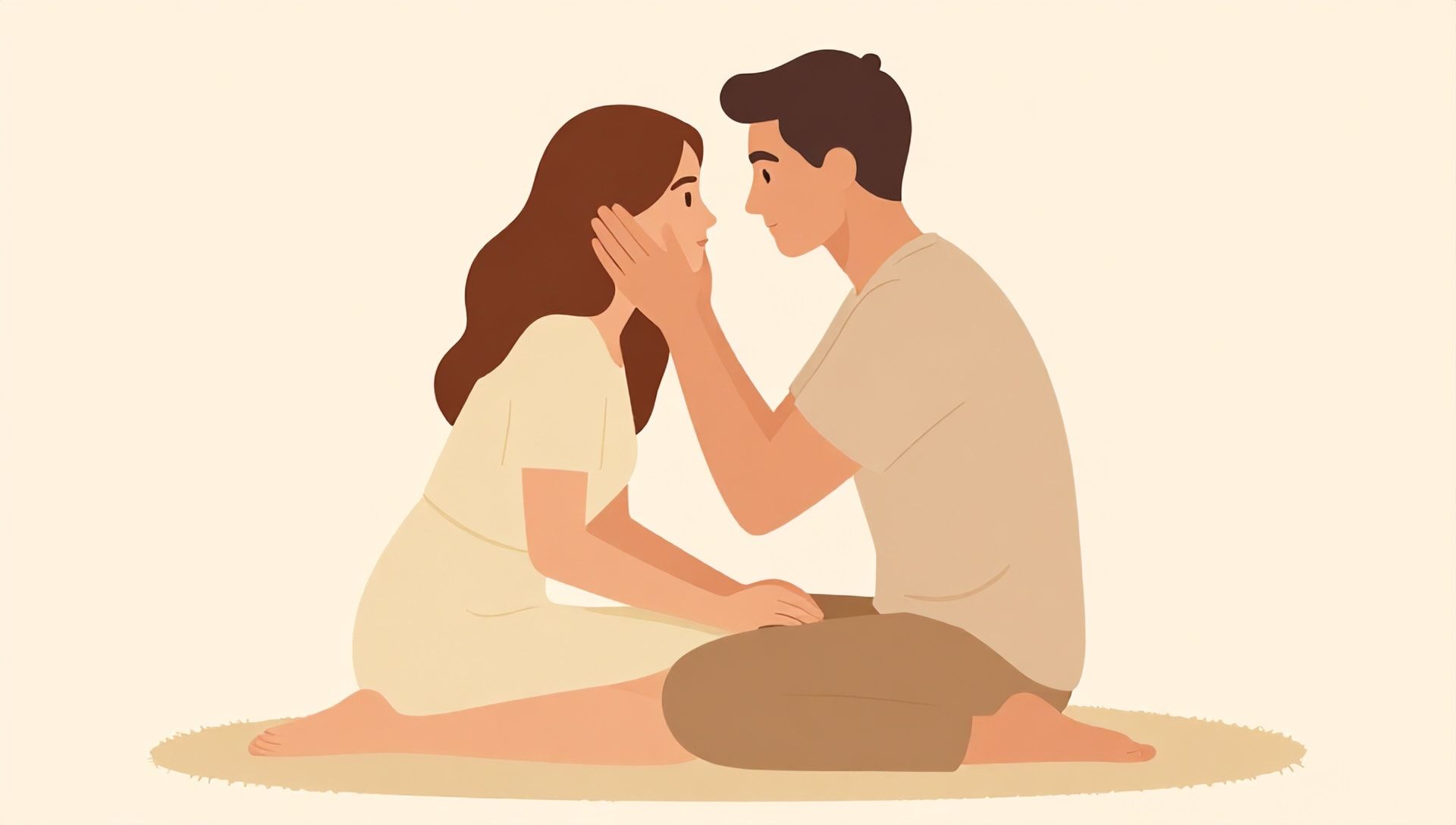
Here's where things get uncomfortably real. You can't separate emotional connection from physical desire. They exist on the same circuit. When the emotional line goes dead, the physical line follows fast.
When you're emotionally disconnected from your partner, your body's response to them changes. The neurological pathways that once fired at their touch—the ones that made your heart race, your breath catch, your skin sensitize—these pathways atrophy from disuse. It's not that you don't love them anymore. It's that your nervous system has stopped associating them with safety, desire, and belonging.
This is why couples in emotionally disconnected relationships often describe their sex life as "empty" or "routine." They're going through the motions, but the psychological and neurological components that make sex truly intimate are missing. The body is there, but the mind—the part that makes physical connection feel like connection—is elsewhere.
And here's the cruel irony: when physical intimacy loses its emotional core, it often becomes a source of shame rather than pleasure. You start to avoid it because it highlights how far apart you've drifted. And that avoidance creates more distance, which creates more avoidance. The cycle feeds itself until the bedroom becomes the loneliest room in the house.
Breaking Through: How to Reconnect When Emotional Disconnect Has Taken Hold
Reclaiming emotional intimacy isn't about grand gestures or weekend retreats. It's about the consistent, small practices that rebuild the bridges you burned.
Start with the small stuff. Emotional connection is built on thousands of micro-moments—the check-ins, the observations, the "I saw this and thought of you" messages. When these small exchanges dry up, the relationship starves. Begin by reintroducing them, even if it feels forced at first. Ask your partner about their day and actually listen. Share something you're feeling, even if it seems trivial. These aren't just nice gestures; they're the infrastructure of emotional intimacy.
Learn to fight differently. If unresolved conflict created the emotional disconnect, you need new conflict resolution skills. This means learning to fight about issues rather than attacking each other. It means repairing after disagreements—something research shows is more important than never fighting at all. The goal isn't to avoid conflict; it's to use conflict as a pathway to deeper understanding rather than a weapon that deepens the divide.
Create intentional intimacy rituals. Don't wait for spontaneity. Schedule connection. This might feel unromantic, but couples who survive emotional disconnect are the ones who treat intimacy as a practice, not a feeling. Set aside time for real conversation, for physical touch that doesn't lead anywhere, for shared experiences that remind you why you chose each other.
One powerful way to rebuild emotional connection is through guided conversations and playful engagement. Setting financial goals as a couple might not sound sexy, but the process of aligning your visions for the future creates profound emotional intimacy. When you can dream together, you feel connected again.
The Role of Financial Transparency in Emotional Connection

Money isn't just money. It's trust, transparency, and partnership made visible. When couples maintain financial secrecy—whether through hidden debts, separate accounts, or undisclosed spending—it creates an emotional disconnect that penetrates every aspect of the relationship.
What happens when couples keep finances separate often reveals deeper issues of trust and partnership. The raw truth about money, trust, and bedroom drama is that financial disconnection creates emotional disconnection. When you can't be honest about money, you can't be honest about anything.
Learning to stop fighting about money while still wanting each other requires reframing financial conversations from battles to partnerships. It means creating shared goals, transparent systems, and the emotional safety to discuss money without fear.
Conclusion: Emotional Disconnect Isn't the End—It's a Turning Point
If you're feeling that emotional disconnect in your relationship, recognize it for what it is: a warning, not a verdict. The fact that you're here, reading this, means something in you knows the distance isn't acceptable. That awareness is the first step toward change.
Reconnection requires intention. It requires both partners being willing to look at the problem without blame, to address the root causes without defensiveness, and to practice new ways of being together until they become natural again. It's not easy. But nothing worth having ever is.
The couples who survive and thrive aren't the ones who never experience emotional disconnect. They're the ones who recognize it, confront it, and choose each other anyway. They're the ones who build practices—conversations, rituals, shared goals—that keep the connection alive even when life tries to kill it.
And sometimes, you need a little help. You need questions that spark conversation, games that break the tension, and prompts that get to the heart of what you've been avoiding. That's where PairPlay comes in.
<div style="background: #f8f9fa; padding: 30px; border-radius: 12px; margin: 40px 0; text-align: center;"> ### Ready to Bridge the Gap?Download PairPlay for thousands of questions, games, and conversations designed to bring you and your partner closer. No awkward silences. No forced spontaneity. Just real tools for real connection.
Get PairPlay Now and start rebuilding what matters.
</div>Emotional disconnect doesn't have to be the end of your story. It can be the beginning of a new chapter—one where you choose each other again, this time with eyes wide open.Trusted External Resources
Keep the conversation going.
Download PairPlay for thousands more questions and games designed to bring you and your partner closer.
Related reading
Frequently Asked Questions
Can emotional disconnect be fixed, or is it too late?
Emotional disconnect can absolutely be fixed—but it requires both partners to be willing to address it. The key is identifying the root causes (whether that's unresolved conflict, life stress, financial issues, or communication breakdowns) and committing to consistent practices that rebuild connection. It's not an overnight process, but couples who put in the work often emerge with stronger, more resilient relationships than they had before the disconnect.
How long does it take to recover from emotional disconnect?
Recovery timeline varies depending on the severity and duration of the disconnect, as well as what's causing it. Some couples notice significant improvement within weeks of implementing new practices; others may need months of consistent effort. The key is consistency and commitment. Small daily practices matter more than grand gestures. Expect gradual improvement rather than instant transformation.
Is emotional disconnect the same as falling out of love?
No, emotional disconnect and falling out of love are different. Falling out of love describes a loss of romantic feelings, while emotional disconnect describes a breakdown in attunement and communication. You can absolutely fall out of love temporarily due to emotional disconnect—and you can fall back in by rebuilding the connection. Many couples in long-term relationships experience temporary disconnect without having truly fallen out of love.
Does emotional disconnect always lead to physical intimacy problems?
Almost always, yes. Emotional and physical intimacy are neurologically connected. When the emotional bond weakens, physical desire typically follows. This is a natural response, not a sign that something is wrong with your attraction to your partner. The good news is that working on emotional connection often naturally revives physical intimacy, creating a positive feedback loop.
Should we go to couples therapy for emotional disconnect?
Couples therapy is highly effective for emotional disconnect, especially when you've tried self-help approaches without success. A skilled therapist can help identify patterns you're both caught in, improve communication skills, and provide neutral ground for difficult conversations. You don't need to be in crisis to benefit from therapy—many couples use it as a proactive tool for strengthening their relationship.
Written by PairPlay Editors
The PairPlay editorial team brings you the best research, tips, and stories to help craft deeper, stronger, and more exciting relationships.
Explore more topics
Keep building topical authority with deep dives by theme.
Keep The Spark Alive Daily
Install PairPlay and turn tonight into your best date night yet.
Get instant access to couple games, spicy prompts, and quick connection rituals built for real life. Open the app, pick a challenge, and reconnect in minutes.